Sony ends sales of the digital PS5 in Japan and focuses only on the model with reader
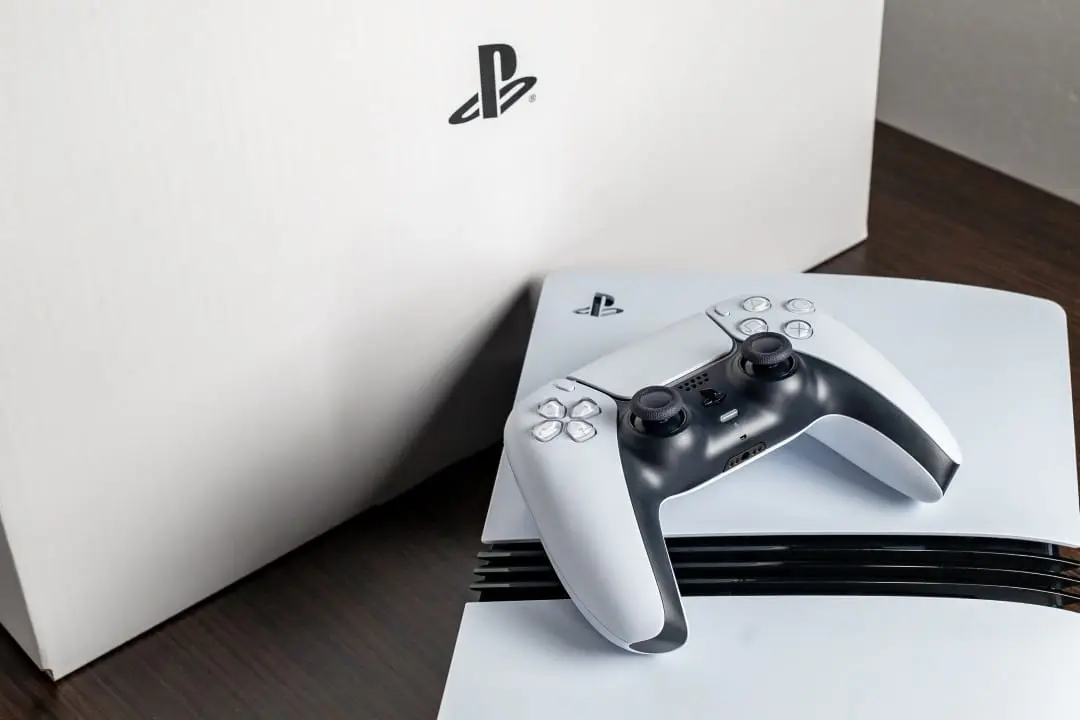
Sony Interactive Entertainment has confirmed that it will no longer manufacture the exclusively digital version of the PlayStation 5 for Japanese commerce. From now on, the technology giant will only sell the edition equipped with the Ultra HD Blu-ray player in the Asian country. This corporate maneuver directly meets the taste of the local public, which still prioritizes the physical format, in addition to aiming to streamline assembly and distribution operations in Japanese territory.
The strategic move highlights the manufacturer’s ability to adapt to the particularities of its country of origin. While Western markets quickly migrate to downloads and subscriptions, the Japanese archipelago sustains a vigorous consumption of boxed games. Recognizing this scenario, the brand chose to standardize its national offer, eliminating customer doubts at the time of purchase and facilitating inventory control both for its own warehouses and for retail chains.
On the same topic: Sony ends sales of the digital PS5 in Japan and focuses only on physical media
What changes in the standard hardware offered to the Japanese
With the new guideline, the PlayStation 5 Slim is consolidated as the only alternative on shelves in Japan. This equipment features a lighter chassis and reduced dimensions compared to the device launched at the end of 2020, also featuring an improved internal arrangement to ensure greater thermal efficiency. Another highlight of the device is the storage capacity, which increased from the old 825 GB to a 1 TB SSD, ensuring more space for installing software and constant updates.
Within the planning established by the company, the disc reading component becomes an inseparable part of the main structure of the video game sold in the region, making it impossible for users to remove it. To balance the delivery of cutting-edge technology with the economic reality of the target audience, the suggested value of the product was set at 66,980 yen. This pricing seeks to reinforce the cost-benefit of joining the platform’s ecosystem for local players.
Positive impacts on the supply and distribution chain
Concentrating efforts on a single hardware format generates immediate operational advantages for the corporation. By unifying the assembly line under a single product code (SKU), the manufacturer gains production speed, cuts costs linked to the maintenance of multiple assembly conveyors and reduces bureaucracy in the international shipping of batches. This centralization of processes guarantees a much sharper demand forecast, allowing the company to react quickly to any fluctuation in sales.
The retail sector is also reaping the benefits of this portfolio restructuring. Dealing with just one console variant reduces the headache of warehouse management, frees up physical space in stores and ends the competition for prominence in point-of-sale materials. The approach to the end consumer becomes much more transparent, as sellers no longer need to spend time detailing the differences between editions with or without a reader. Consequently, merchandise replenishment flows better, ensuring that the customer always finds the video game available for purchase.
More on this story: Sony ends sales of the digital PlayStation 5 in Japan and focuses on physical media
See Also
Nintendo releases refunds for Xenoblade Chronicles X update on Switch 2 after visual glitches

Valve’s new console reaches $800 with the impact of artificial intelligence

Apple revolutionizes the market with 5.5 mm cell phone and liquid glass screen
The strength of the collecting and resale culture in the country
The company’s decision is intrinsically linked to the unique behavior of the Asian public. Unlike what happens in North America or Europe, Japan has a gigantic infrastructure focused on physical media, driven by chains of second-hand stores such as Book Off and Geo, which move billions annually and keep the format alive. Japanese customers attach extreme importance to the feeling of ownership, the preservation of the original packaging and, above all, the possibility of passing on the work after finishing the campaign.
- The trade in pre-owned titles operates at full strength and drives the local economy.
- There is a strong appeal among fans to keep shelves full of boxes from their favorite franchises.
- The habit of lending releases to family and acquaintances remains very present in our routine.
- The exchange of old games for discounts on new products is a fundamental pillar for the survival of physical stores.
By ensuring that every device sold in its home territory can read traditional media, the brand ensures that its community continues to actively participate in this ecosystem of exchanges and sales. This stance demonstrates respect for a consumption tradition that has been rooted for decades, avoiding the risk of alienating a significant portion of enthusiasts who refuse to permanently migrate to virtual libraries.
How the end audience absorbs the change in strategy
For those who are planning to purchase the video game, the main consequence is the end of the dilemma when choosing between the cheapest version and the complete version. From now on, the only box available in the windows will be the one with the entrance to the records. However, this does not nullify the digital experience in any way. System owners will continue to have unrestricted access to the platform’s official store, being able to download titles, expansions and applications normally via the internet.
Flexibility of use ends up being the greatest asset of this market imposition. With the reader at their disposal, the user gains the freedom to search for promotions in high street stores, borrow classics and save good money in the long term, avoiding the fixed prices of online stores. Furthermore, the component transforms the equipment into a robust multimedia center, capable of playing very high resolution films, conventional Blu-rays and DVDs, justifying the high initial investment made by families.
Learn more: Sony changes strategy in Japan and starts offering free disc players on PS5
The brand’s global positioning in the current scenario
The direction adopted in the Japanese market illustrates the corporation’s ability to flex its global guidelines to meet specific regional demands. Although the company maintains a dual offering on other continents, the choice to narrow its options in Japan reflects a pragmatic search for profitability and alignment with the desires of its headquarters country. This reconfiguration makes sense at the console’s current stage of maturity, at which point cutting excesses and retaining the installed base become the administration’s priority goals.
Consolidating its presence with hardware that perfectly interacts with local customs, the manufacturer is paving the way to maintain its hegemony in the electronic entertainment sector. Maintaining the player also ensures the survival of backwards compatibility with the PlayStation 4, allowing veterans to run their old collections on the new system, taking advantage of significant improvements in loading time and image fluidity without having to repurchase the same games.