Sony patent indicates that PlayStation 6 will be able to play games from all previous generations
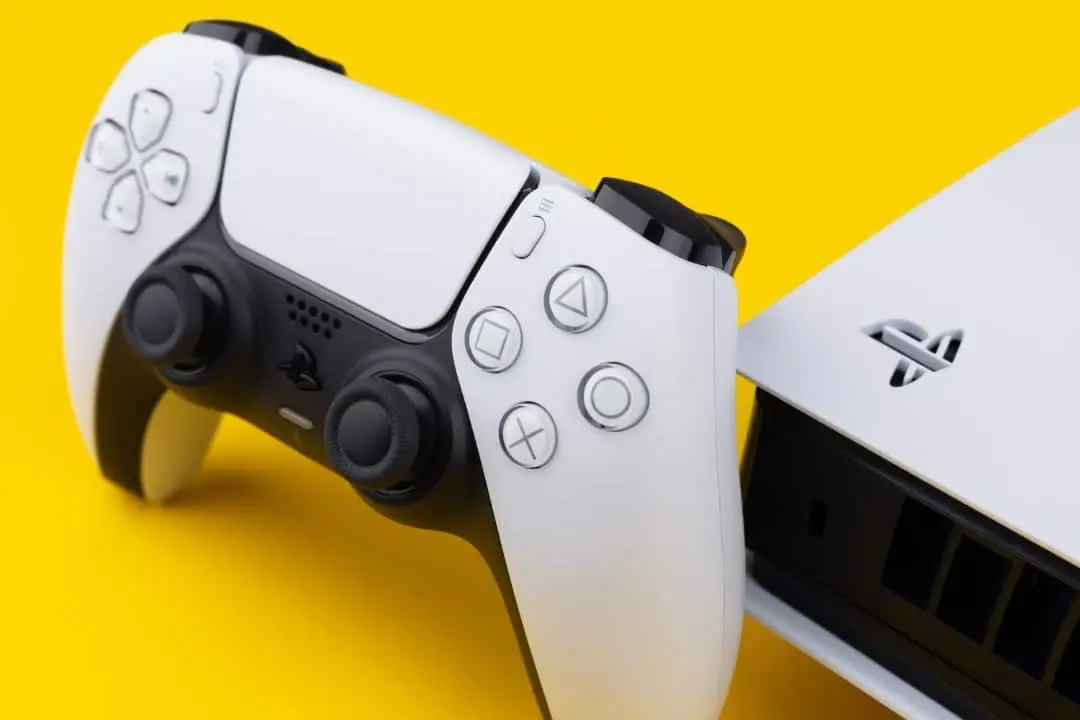
A new intellectual property registration made by Sony Interactive Entertainment is moving the global community of gamers and technology experts. The newly discovered document details an advanced system created to run software from old platforms on new hardware. This technical move indicates that the long-awaited PlayStation 6 can finally deliver native backwards compatibility with all desktop consoles previously released by the Japanese brand.
The presence of Mark Cerny in the patent registration reinforces the seriousness of the project within the company’s laboratories. The chief architect responsible for developing the PlayStation 4 and PlayStation 5 is now working on methods for future processors to simulate the behavior of old chips natively. This change in attitude responds to one of the oldest requests from consumers, transforming access to the classic catalog into a fundamental pillar for the next generation of hardware.
On the same topic: Sony patent indicates that PlayStation 6 will run games from all previous generations natively
The architectural challenge of the PlayStation 3 and the new solution
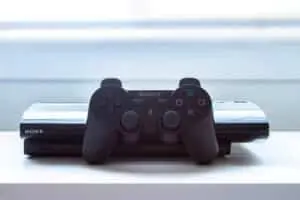
The biggest obstacle to preserving Sony’s catalog has always been the complexity of the Cell processor, used in the PlayStation 3. Unlike the standard x86-64 architecture found in more recent computers and consoles, the seventh generation chip had a PowerPC-based structure with multiple synergistic processing cores. This engineering choice made software emulation a highly unstable process, requiring massive computing power that made it impossible for games to run smoothly on modern machines.
To overcome this historical bottleneck, the new documentation proposes that future graphics and processing units will be able to detect and replicate the exact characteristics of old hardware. Instead of translating commands through a traditional emulator program, the new console’s physical components would take on the behavior of parts from the PS1, PS2 and PS3. This innovative method eliminates memory synchronization errors and performance drops that plague current emulation solutions.
The creation of this hybrid architecture represents a significant advancement in entertainment-focused semiconductor engineering. By allowing the main board to “pretend” to be equipment manufactured twenty years ago, the manufacturer ensures that complex titles run with the same precision and fluidity as their original releases, without the need for manual interventions in each game’s code.
The history of ups and downs in the generational transition
The Japanese manufacturer’s relationship with the preservation of its library has gone through several phases over the decades. The PlayStation 2 set a standard of excellence by including the physical components of the first console on its board, guaranteeing immediate access to thousands of titles. This strategic decision helped consolidate the device’s absolute dominance in the electronic entertainment market in the early 2000s.
More on this story: New Sony patent indicates that PlayStation 6 will play classic games from all previous generations
The scenario changed drastically with the arrival of the PlayStation 3. The first units sold still had the PS2 hardware built in, but the company removed this functionality in later revisions of the device to lower production costs and reduce the final price in stores. In the next generation, the PlayStation 4 completely abandoned native support for old discs, forcing users to purchase remastered versions or rely on cloud streaming services that required very high-speed internet connections.
See Also
Nintendo releases refunds for Xenoblade Chronicles X update on Switch 2 after visual glitches

Valve’s new console reaches $800 with the impact of artificial intelligence

Apple revolutionizes the market with 5.5 mm cell phone and liquid glass screen
The launch of the PlayStation 5 represented a partial course correction, guaranteeing the functioning of practically the entire PS4 library on the first day. However, the classics from the first three generations continued to be restricted to a rotating catalog offered in the most expensive plans of the PlayStation Plus subscription service, leaving a large part of the platform’s history permanently inaccessible to those who own the original physical media.
The strategic response to the competition ecosystem
For years, the Xbox division has maintained a clear competitive advantage by investing heavily in a robust backwards compatibility program. Microsoft has allowed Series X and S console owners to run games from the first Xbox, 360 and One, often applying automatic visual improvements and frame rate increases. This policy proved that respect for the consumer’s digital library works as a powerful brand loyalty tool.
Learn more: Sony’s unprecedented patent indicates that PS6 can play PS1, PS2 and PS3 games natively
The development of this new technology by Sony works as a direct counterattack on the hardware market. By planning a definitive solution that even encompasses the problematic PS3 catalog, the company seeks to nullify the competitive advantage. The guarantee that players will not lose their past investments when migrating to a new device becomes a crucial selling point, facilitating the public’s transition to the new platform without the fear of abandoning collections built over years.
Commercial impacts and the preservation of gaming history
The successful implementation of this system would transform the brand’s next device into a definitive archive of video game culture. At a time when the closure of old digital stores threatens the existence of classic works, having a single device capable of playing media from thirty years of history represents a milestone for the preservation of interactive media. Ecosystem unification would directly affect the following platforms:
Learn more: Sony patent indicates that PlayStation 6 will be able to play games from all previous generations
- PlayStation 1: Return of the classics from the 32-bit era with hardware precision, without graphical glitches.
- PlayStation 2: Native access to the largest catalog of games ever released in the history of the industry.
- PlayStation 3: Definitive solution for exclusive titles that never received remasters or PC ports.
- PlayStation 4 and 5: Natural continuity of digital libraries already built by current users, maintaining profiles and achievements.
From a financial perspective, integration opens doors to new lines of ongoing revenue. The manufacturer gains the opportunity to resell thousands of titles that are currently stuck on discontinued hardware directly in its virtual store. Furthermore, the ability to play any of the brand’s games substantially increases the perceived value of premium subscriptions, attracting a nostalgic audience that today turns to unofficial methods to relive their favorite games.
Deadlines and expectations for the future of the brand
Registering a patent in the technology sector does not guarantee that the functionality will immediately hit the shelves, but it reveals exactly where the company’s engineers are focusing their financial efforts. Semiconductor industry analysts project that the transition to the sixth generation of Sony consoles should only occur between 2027 and 2028, following the traditional life cycle of desktop hardware.
This time interval provides the necessary breathing space for the research and development team to refine the simulation of physical components described in the document. Enabling this architecture will require a complex balance between production cost, heat dissipation and raw processing power. If the company can deliver on this promise without making the final product more expensive, the next console has the potential to redefine the way the industry consumes and preserves its own legacy.