Video shows desperate tourists fleeing crocodile in Belize Sea
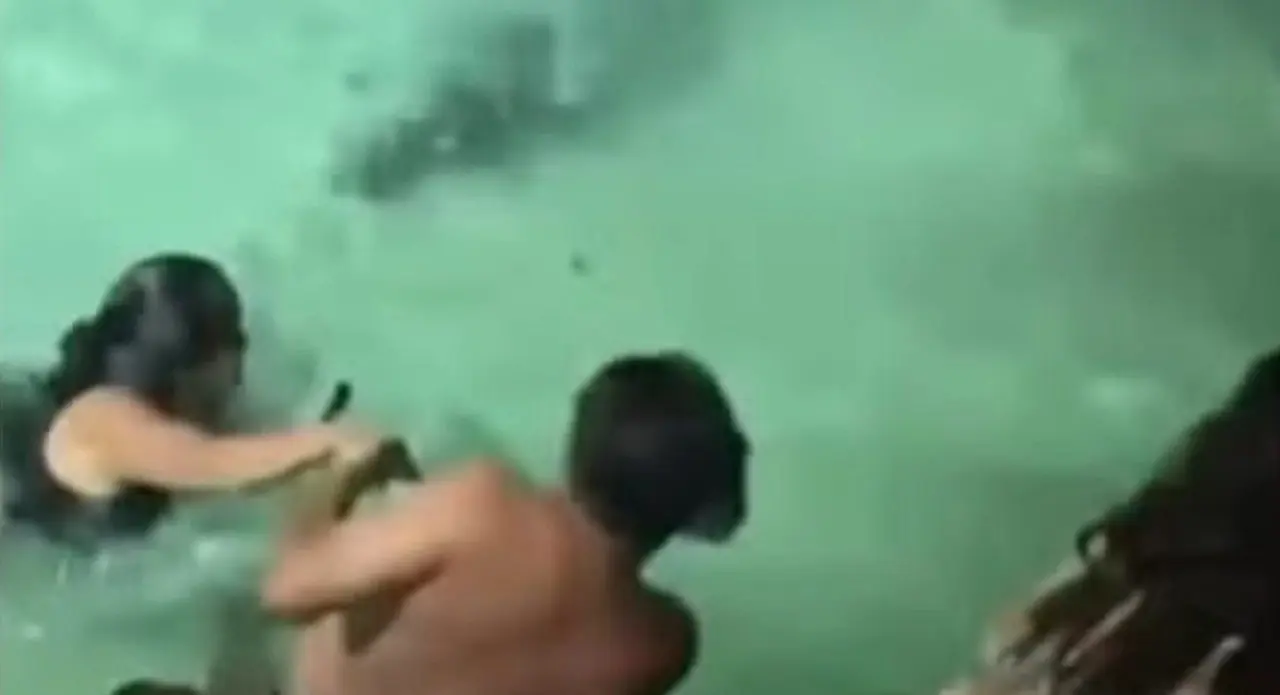
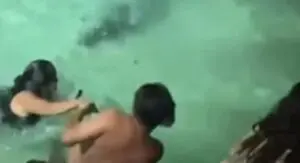
A night dive in the crystal clear waters of Caye Caulker, in Belize, turned into a scene of panic on August 8th. A group of travelers had to leave the sea in a hurry after noticing the speedy approach of a large crocodile towards the resort area where they were staying. The episode raised an immediate alert in the Caribbean region about the risks of sharing the same space with wild predators, highlighting the extreme danger of entering the ocean after sunset.
Moments of tension recorded during sea bathing
The video recording of the incident shows the desperate rush of people trying to reach the strip of sand when they noticed the threat moving in the water. One of the bathers, who was holding a bottle and was further away from the shore, had to be rescued by a man who abruptly pulled her to dry land. The quick action avoided a tragedy, as the predator was just meters away from reaching her, demonstrating the lethal agility of these animals in their natural habitat.
Authorities reinforce warnings about predators in coastal areas
Given the impact of the scare, the local government intensified awareness campaigns about the presence of large reptiles on the country’s coast. It is vital that travelers understand that the predominant species in the region, the American crocodile (Crocodylus acutus), has specialized glands that allow it to survive in salt and brackish water environments. This biological characteristic considerably increases the chance of unexpected encounters on popular tourist islands, requiring extra attention from those who visit the beaches.
Learn more: Crocodile approaches tourists in Belize and authorities reinforce alert after night-time incident
Environmental agency prohibits the supply of food to animals
The Belize Forestry Department published a strict statement aimed at both the local community and foreigners. The government agency highlighted that the biggest current concern involves reports of people deliberately throwing food to attract predators close to leisure areas. This irresponsible attitude directly interferes with the hunting routine of native species.
Full coverage: Latest News (EN)
See Also

Woman who pretended to be 12 years old in SC undergoes first hearing; understand the case

China seeks to reduce dependence on imported food

Tainá Militão reassures fans after tremor in Spain and reports little perception in Madrid
The negative impact of treating fauna as a tourist attraction
The government entity made it clear that any attempt to touch, tease or feed wildlife constitutes a serious offense. The goal of this ban is to break the dangerous cycle where reptiles start to see the human figure as an easy source of nutrition. When this conditioning happens, predators lose their natural fear and start to invade bathing areas frequently, resulting in extreme risk situations like the one recently recorded.
Researcher details the change in species behavior
Biologist and researcher specializing in crocodilian conservation, Marisa Tellez, explained the science behind this unusual approach. According to the expert, the act of offering snacks causes the animal’s brain to create a direct association between the presence of people and obtaining food. Over time, the escape instinct and natural caution disappear, giving way to an aggressive posture of demanding food, which maximizes the chances of a fatal attack.
On the same topic: Tragic memory: Graham Dinkelman’s legacy and the risks of the green mamba to conservation in 2025
Safety protocols in case of unexpected encounters
- Preserve tranquility and avoid immediate panic.
- Do not stir the water with your arms or legs, as the noise attracts the predator’s attention.
- Move to dry land at a steady pace, without rushing or shrill shouting.
- Never turn your back on the threat; walk backwards keeping your eyes fixed on the animal to anticipate any attack.
The invisible danger of entering the ocean after sunset
A basic survival rule, often ignored by those seeking nighttime leisure, is the prohibition of entering the sea in risk areas during the early hours of the morning. Night is the time when these carnivores go out to hunt, using their dark-adapted vision as a lethal weapon. While humans completely lose the ability to notice their approach in dark water, the predator has total tactical advantage, making any night dive a Russian roulette.
History of animal violence haunts the same Caribbean island
The August scare was not the first serious incident recorded on paradisiacal Caye Caulker. In April 2024, 44-year-old US citizen Nicole Elizabeth Robinson was ambushed while bathing with acquaintances. The attack took place in the middle of the night, around 3:30 am, statistically proving that the invasion of the nocturnal habitat of these giant predators usually ends in tragedy.
Serious injuries mark the episode that occurred at the beginning of the year
During the April clash, Nicole Elizabeth Robinson had her right elbow torn apart by the animal’s teeth and suffered deep puncture wounds on her left wrist. Police reports indicated that the lack of lighting was the determining factor in the carnivore getting so close without being noticed by the group of friends. Although the tourist survived to tell the story, the physical and psychological scars act as a definitive warning about the vulnerability of the human body in the face of the force of nature.
Respect for the ecosystem guarantees the integrity of tourists and residents
The sequence of frightening events on the coast of Belize shows that the tourism industry needs to go hand in hand with environmental education. Complying with the rules established by biologists and forest rangers is the only way to preserve the lives of those traveling and the integrity of the Caribbean fauna. Harmony between economic development and nature only exists when human beings understand their limits and stop interfering in the natural cycle of wild animals.
More on this story: Puma attacks child in Chapada dos Veadeiros and mobilizes tourist guides