Understand which plants in your garden attract scorpions and how to protect yourself
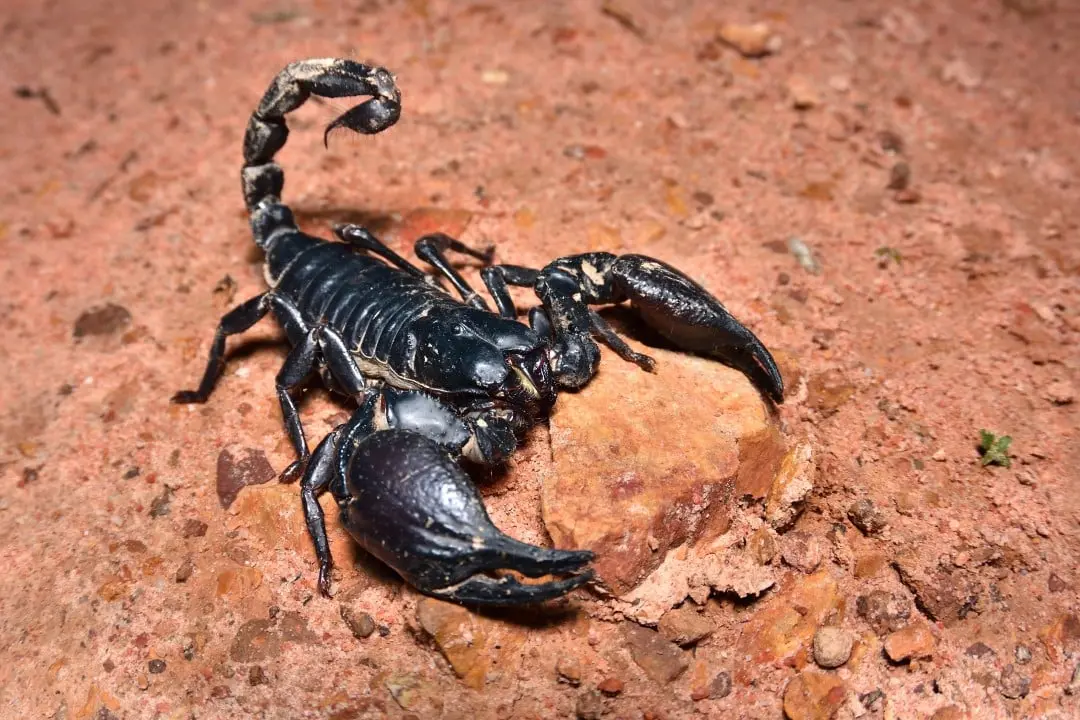
The presence of scorpions in domestic environments poses a serious risk to human health, with stings that can range from intense pain to more serious conditions. Although many people associate these arachnids with rural or rubble environments, it is important to know that some plants common in gardens and backyards can, unintentionally, create ideal conditions for their proliferation. Experts warn about the importance of knowing and monitoring these plant species to ensure family safety, according to information released on August 15, 2026.
Hidden risks of agave americana in domestic environments
The American agave, also popularly known as pita or piteira, stands out as an ornamental plant for its resistance and unique beauty. However, its structural features can create serious safety issues in residential gardens. The long, firm leaves of the agave, arranged in a rosette shape and full of sharp thorns on the edges, form perfect crevices and hiding places for scorpions.
On the same topic: The presence of small reptiles in homes acts as a natural barrier against urban pests
Additionally, the moisture that naturally accumulates between the bases of the leaves further attracts these animals, which thrive in moist, protected locations. The combination of these structural and environmental characteristics turns the agave into a real attraction for arachnids, making it an unwanted presence in areas close to the home.
Other plant species that favor the presence of scorpions
In addition to the American agave, several other garden plants can inadvertently create inviting shelters for scorpions due to their structure or the microclimate they generate. Knowing these species helps you plan a safer garden.
See Also

Motorola Edge 50 cell phone becomes cheaper and bets on military resistance to attract sales

Apple’s smart watch reaches historic lowest price abroad and attracts Brazilians

Amazon surprises the market by cutting the price of the new iPad Pro M5 to US$899
More on this story: Expert Monty Don details crucial composting change to eliminate rats from the garden
- Fan palms (Rhapis excelsa):With their dense, branched fronds that grow from the base, these palms create multiple levels of shelter. The density of the leaves makes lighting and ventilation difficult, resulting in darker and more humid environments, ideal for scorpions to hide and reproduce.
- Hydrangeas (Hydrangea macrophylla):Despite their beauty, hydrangeas, especially when planted in dense groups and in places with constant shade, form leafy clumps that retain a lot of moisture in the soil and between the leaves. These humid and protected spaces are suitable for arachnids to settle in without being noticed.
- Bromeliads:Many species of bromeliads have leaves that form a natural reservoir of water at their base, a perfect place for moisture to accumulate. This characteristic makes them extremely attractive to scorpions, who seek moist, cool environments to shelter during the day.
Essential tips for keeping your garden safe and pest-free
To significantly reduce the presence of scorpions and other venomous animals in the garden, some preventative measures are crucial. Regular maintenance is the first step to ward off these risks and protect your home.
- Pruning and cleaning:Keep vegetation always pruned, especially shrubs and low-growing plants, preventing leaves from touching the ground or forming large tangles. Remove dry leaves, fallen branches and debris, which serve as hiding places and shelters.
- Humidity control:Avoid overwatering. Ensure good drainage in the soil and avoid accumulating water in vases, dishes or other surfaces, as scorpions are attracted to moist, cool environments.
- Gap sealing:Check and seal cracks, gaps and holes in walls, walls and sidewalks. These small openings can be used by arachnids to access the interior of the home.
- Physical barriers:Keep the grass trimmed low to the ground and consider creating a strip of rocks or coarse sand around the house, as scorpions have difficulty traveling over these surfaces.
What to do in case of a scorpion sting
Even with all precautions, scorpion stings can occur. In an emergency situation, it is essential to act quickly and correctly to ensure the victim’s safety.
1.Wash the area:Clean the bite area with soap and water. This helps remove possible contaminants and maintain wound hygiene.
2.Keep Calm:Avoid sudden movements and keep the bitten body part in a comfortable and, if possible, elevated position.
3.Seek medical help:Go to the nearest health service immediately. Do not attempt to suck out the venom, apply tourniquets, or apply hot or cold compresses without professional guidance. Medical care is crucial to assess the severity of the bite and initiate appropriate treatment, especially in children and the elderly, who are more vulnerable.