

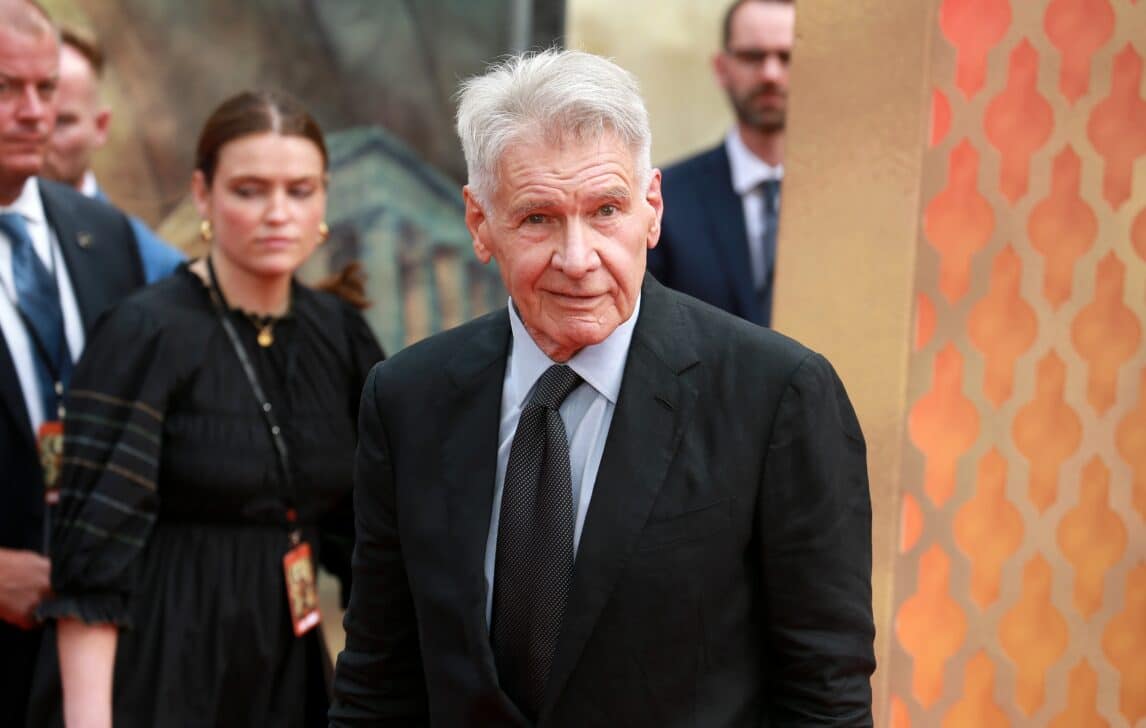
Harrison Ford, a towering figure in Hollywood, will not attend the 97th Academy Awards this Sunday, March 2, at the Dolby Theatre in Los Angeles, following a recent diagnosis of an undisclosed illness. At 82, the actor, celebrated for iconic roles like Indiana Jones and Han Solo, was set to be a highlight of the night, competing for Best Supporting Actor for his performance in “Captain America: Brave New World.” The announcement, made by his team last week, stunned fans and the film industry, sparking widespread speculation about his health and altering the dynamics of a ceremony already buzzing with anticipation for nominees like Fernanda Torres and Demi Moore. Ford, who had been actively promoting the Marvel film, chose to prioritize treatment, canceling public appearances and leaving a void in an event that also marks 50 years of “Star Wars.” This development shifts attention to how the Academy will adapt without one of its most legendary stars, while social media erupts with over 2 million mentions of #GetWellHarrison.
The diagnosis emerged after routine medical exams following the completion of “Captain America: Brave New World” in 2023. Ford, who transformed General Thaddeus Ross into the Red Hulk, had impressed castmates with his physical commitment, only for this health setback to halt a promising awards campaign just as it gained momentum.
Ford’s absence reverberates beyond sentiment. Slated to present a major category and receive a tribute for “Star Wars,” his withdrawal forces last-minute changes to the ceremony’s lineup, while his fans flood platforms with tributes to a career that has grossed over 10 billion dollars globally at the box office.
A cinematic giant’s journey
Born in Chicago in 1942, Harrison Ford’s rise to fame was anything but conventional. Initially a carpenter building sets in the 1960s, he caught George Lucas’s eye, landing the role of Han Solo in “Star Wars: A New Hope” (1977), which launched him into superstardom. He solidified his legacy with Indiana Jones, starting with “Raiders of the Lost Ark” (1981), and showcased depth in films like “Blade Runner” (1982) and “The Fugitive” (1993), blending blockbuster appeal with dramatic range.
Decades later, Ford remains a force. In “Captain America: Brave New World,” he brought gravitas to Thaddeus Ross, a hardline military figure turned monstrous antihero, earning his second Oscar nod after “Witness” in 1986. His dedication shone through months of training for the physically demanding role.
Ford’s indelible mark on film
At 82, Harrison Ford defied age with roles requiring stamina. For “Captain America,” he underwent rigorous preparation, a testament to the work ethic praised by co-star Anthony Mackie. This commitment earned him a Best Supporting Actor nomination, with pre-illness odds estimated at 25%, trailing Ryan Gosling (40%) and Timothée Chalamet (30%). His box office prowess—highlighted by “Star Wars: The Force Awakens” (2015) at 2 billion dollars and the Indiana Jones franchise at 1.9 billion—underscores his enduring draw.
The 1.2 billion dollars raked in by “Captain America: Brave New World” reaffirms Ford’s commercial clout, making his absence from the Oscars a poignant moment. Even after a shoulder injury on the set of “Indiana Jones and the Dial of Destiny” (2021), he pressed on, embodying resilience that mirrors his on-screen personas.
How illness reshapes the night
Harrison Ford’s decision to skip the Oscars upends the event’s plans. He was scheduled to present an award and be honored for “Star Wars” at its 50-year milestone, prompting organizers to scramble for adjustments. Without an official replacement announced, speculation swirls around figures like Mark Hamill stepping in, fueled by fan chatter online.
The Best Supporting Actor race feels the ripple effects. Though still eligible, Ford’s physical absence might sway sentimental votes, particularly among the Academy’s older members who revere his golden-era contributions. This could tilt the scales toward Gosling or Chalamet, reshaping a tight contest.
Ford’s career in numbers
Harrison Ford’s cinematic footprint is staggering:
- 10 billion: Total global box office haul of his films, inflation-adjusted.
- 1.2 billion: Earnings of “Captain America: Brave New World” to date.
- 2 nominations: His only Oscar nods, in 1986 and now.
- 50 years: Span since “Star Wars” debuted, celebrated this Oscar night.
These figures cement why his absence looms large over the ceremony.
Key moments leading to the withdrawal
Ford’s path to the Oscars hit a sudden detour with his health news. After “Captain America: Brave New World” premiered in February 2024, he championed it at the Toronto Film Festival in September, earning critical praise. On January 17, his nomination was revealed, but by February, post-filming medical checks uncovered the illness, sidelining him from the campaign’s final stretch. The Oscars on March 2 will proceed without him, marking a rare absence for such a prominent figure.
Details remain scarce. Ford’s past brushes with injury—like a 2015 plane crash—never kept him down long, but this time, his team’s focus on “recovery” hints at a more significant challenge ahead.
Aging and health in the spotlight
At 82, Harrison Ford joins a lineage of Hollywood veterans grappling with health as they age. Christopher Plummer won an Oscar at the same age in 2012, though visibly weakened, while Sean Connery retired after similar struggles. Ford, known for doing his own stunts, pushed boundaries—like enduring the “Indiana Jones” injury in 2021—only to face this unforeseen pause, spotlighting the toll of a relentless career.
Hollywood’s obsession with youth contrasts with Ford’s late-career vigor. His role as Thaddeus Ross, a grizzled soldier turned Hulk, showcased reinvention, but the current break underscores a universal truth: even legends slow down eventually.
The race without Ford on stage
Ryan Gosling, with 40% odds, fronts the Best Supporting Actor field for “The Bikeriders,” his raw portrayal of a gang leader bolstered by wins at the Critics Choice and Globo de Ouro. Timothée Chalamet, at 30%, shines in “Dune: Part Two,” blending charm and intensity in a sci-fi juggernaut dominating technical categories. Ford’s exit might shift votes, especially among the Academy’s 20% international bloc, nostalgic for his era.
Sterling K. Brown (“American Fiction”) and Hugh Grant (“Heretic”) round out the nominees, but lack the frontrunners’ momentum. Ford’s performance remains in contention, though his absence dims its emotional pull.
Standout facts about Ford’s legacy
Harrison Ford’s Oscar journey carries unique quirks:
- He transitioned from carpenter to one of cinema’s biggest stars.
- His blockbusters dwarf his two Oscar-nominated dramatic roles.
- At 82, he’d be the second-oldest Best Supporting Actor winner, behind Plummer.
These tidbits amplify the void left by his withdrawal.
Ford’s enduring influence
Even absent, Harrison Ford’s presence lingers over the Oscars. His work in “Captain America: Brave New World”—the third-highest-grossing Marvel film of 2024—blends authority and vulnerability, echoing his own path. The planned “Star Wars” tribute will adapt, but his cultural weight endures, as fans and peers rally for his recovery.