Federal police chief considered for Brazil’s new security ministry amid 2025 plans Por Luís Pereira
6 min de leitura
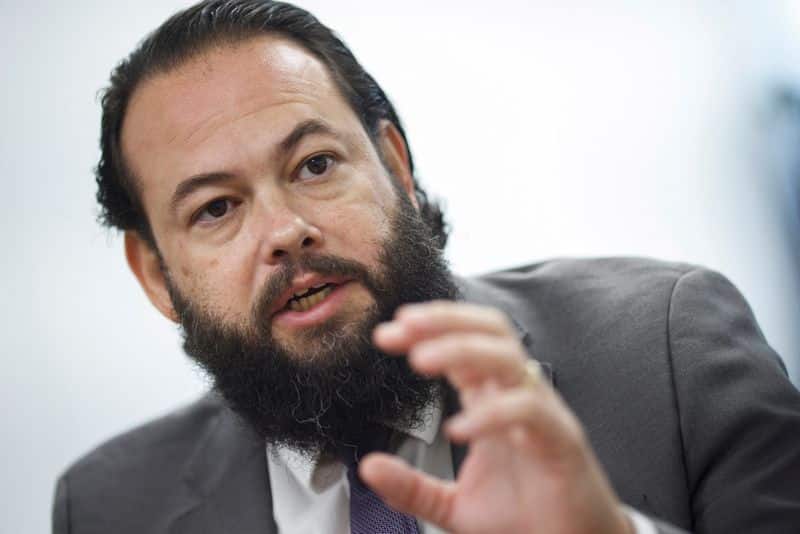 |
Discussions are intensifying within Brazil’s government regarding the potential creation of a Ministry of Public Security, a move first announced by President Luiz Inácio Lula da Silva in late 2024. Andrei Rodrigues, the current director-general of the Federal Police (PF), has emerged as a prominent candidate to lead this new portfolio, signaling a significant shift in the nation’s security architecture for 2025. The establishment of this dedicated ministry aims to centralize efforts against crime and bolster the government’s public safety agenda.
The president’s proposal to split the Ministry of Justice and Public Security into two distinct entities—one for Justice and another for Security—hinges on the approval of a Public Security Constitutional Amendment Proposal (PEC) in the National Congress. This legislative text, originating from the Executive, remains stalled without a scheduled date for deliberation, presenting a key hurdle for the planned restructuring. Despite the legislative delay, internal government conversations underscore the administration’s commitment to prioritizing public security.
Siga o Mix Vale no Google e veja nossas notícias primeiro
Leadership consideration for the new security role
Andrei Rodrigues’s name is reportedly being actively discussed and approved among government officials for the prospective security ministry. This consideration stems largely from the Federal Police’s robust performance in combating organized crime throughout the previous year, coupled with Rodrigues’s well-established personal and professional proximity to President Lula. His leadership has been credited with effective strategies against sophisticated criminal networks, enhancing the PF’s operational standing.
Furthermore, public security is slated to be one of Lula’s primary policy planks in the upcoming 2025 electoral cycle, should he pursue re-election. Establishing a dedicated ministry for this critical area would visibly demonstrate the administration’s intensified efforts and commitment to tackling crime nationwide. This strategic alignment makes Rodrigues, a figure with a proven track record and presidential trust, a logical choice for the pivotal role.
The stalled legislative path and executive actions
The legislative process for the Public Security PEC remains in limbo, raising questions about the timeline for the ministry’s formal creation. Despite this congressional bottleneck, the government is exploring executive alternatives to advance key security initiatives. Recent actions by former Minister of Justice and Public Security, Ricardo Lewandowski, highlight this proactive approach.
Lewandowski, who announced his departure from the post in early 2025, implemented crucial measures before stepping down, aiming to ensure a sense of “duty fulfilled.” He signed two ordinances to establish a protocol for prisoner recognition and a comprehensive system for criminal background information. These tools were initially envisioned as part of the stalled PEC, demonstrating the executive branch’s efforts to implement desired reforms through administrative means while awaiting legislative progress. Manoel Almeida, the executive secretary, has temporarily assumed leadership until a permanent replacement is appointed.
Andrei Rodrigues’s background and strategic alignment
Andrei Rodrigues brings a wealth of experience and a history of trusted service to the forefront of these discussions. Notably, he served as President Lula’s head of security during his successful presidential campaign in 2022, a role that forged a close working relationship between the two. His career also includes significant leadership positions, such as a prominent role during the Olympic Games held in Rio de Janeiro, where he oversaw complex security operations.
His candidacy for the new ministry receives considerable backing from a key faction within the Workers’ Party (PT), the president’s political party. This internal support further solidifies his position as a strong contender, reflecting a broader consensus on his suitability for such a sensitive and high-profile portfolio. The alignment of his experience with the government’s strategic objectives makes his potential appointment a significant political move.
Operational impact and potential succession at the federal police
Should Andrei Rodrigues transition to head the new Ministry of Public Security, the Federal Police would undergo a leadership change. The current number two at the institution, delegate William Murad, is widely considered the likely successor to Rodrigues as director-general of the PF. This potential succession plan ensures continuity in the crucial operations of the federal law enforcement agency, particularly in its ongoing fight against organized crime and corruption.
The PF’s recent successes under Rodrigues’s leadership have garnered significant attention, contributing to the administration’s narrative on effective crime fighting. Maintaining this operational momentum would be a key priority, making Murad’s potential promotion a strategic choice to ensure stability and continued effectiveness within the institution. The careful management of this transition is vital for national security.
Political strategy and electoral considerations for 2025
The emphasis on creating a new Ministry of Public Security and selecting a high-profile figure like Andrei Rodrigues is intrinsically linked to President Lula’s broader political strategy for 2025. With a potential re-election campaign on the horizon, public security is a critical issue that resonates deeply with the electorate. A dedicated ministry underscores the government’s resolve to address one of the population’s main concerns.
This strategic move aims to project an image of a proactive and determined administration in its combat against crime. By elevating public security to a standalone ministerial portfolio, Lula’s government can more effectively coordinate policies, allocate resources, and present tangible results to the public. Such a clear commitment is expected to bolster public confidence and gather political support as the electoral year progresses.
Ministerial transition and immediate government focus
The recent announcement of Minister Ricardo Lewandowski’s departure in early 2025 has expedited discussions surrounding the ministerial reshuffle. The interim appointment of Manoel Almeida, the executive secretary, highlights the immediate need for stable leadership within the Justice portfolio as the government navigates these changes. The broader focus remains on the swift and effective establishment of the new Public Security Ministry.
This transition period is crucial for the government to articulate its vision for public security and to ensure a seamless handover of responsibilities. With key appointments pending and legislative approvals still outstanding, the administration is working to streamline the process, aiming for concrete steps towards a more robust and specialized approach to national security challenges in the coming months.