Motorola Edge 60 Neo faces POCO X7 Pro in clash of giant batteries and 50 MP cameras
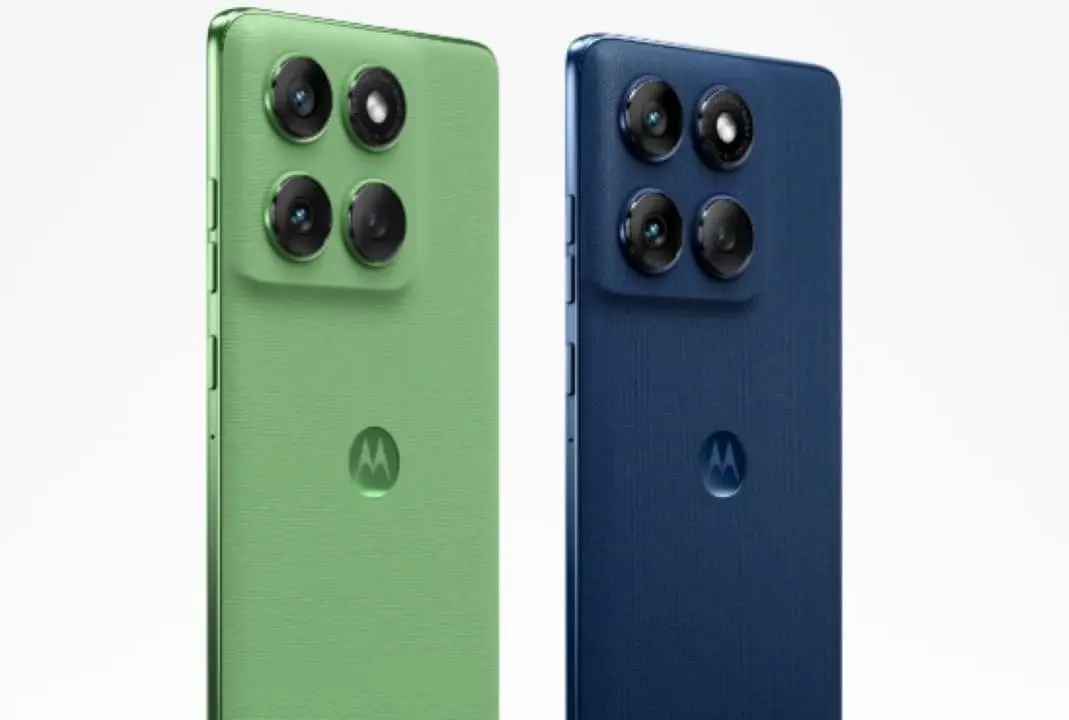
The high-performance mobile device market takes on new contours with the direct dispute between two devices that promise to redefine the premium mid-range segment. Consumidores Those looking for advanced specifications without reaching top-of-the-line prices will find robust options on virtual and physical shelves.
Detailed technical analysis reveals how manufacturers adopted different strategies to win over the demanding public. Enquanto One bet on extreme durability and a versatile photographic set, the other focuses on raw processing power and energy autonomy beyond conventional standards.

The main points of divergence between the models include the following technical aspects:
– Diferenças significant changes in the architecture of MediaTek processors.
– Abordagens varied in protection against water and dust.
– Capacidades batteries that change weight and ergonomics.
– Políticas long-term software update.
Understanding these nuances is essential for anyone planning an investment in mobile technology in the coming months, ensuring that the choice perfectly meets the daily usage profile.
On the same topic: Reduction in the value of the Xiaomi Poco F7 intensifies competition between high-performance smartphones
Design and physical resistance of devices
The external construction of the Motorola Edge 60 Neo demonstrates a clear focus on sophistication combined with extreme durability, featuring a rear finish in material that simulates vegan leather, which provides a firm grip and an elegant look. The device stands out for its compact dimensions of 154.1 by 71.2 by 8.1 millimeters and weight of just 174 grams, making it extremely comfortable for prolonged use with just one hand. Além of aesthetics, the manufacturer invested heavily in protecting the device, guaranteeing IP68 and IP69 certifications against water and dust, in addition to the rigorous military certification MIL-STD-810H, which attests to its resistance against falls, thermal shocks and severe vibrations.
By contrast, the POCO The model predominantly uses plastic in its side and rear structure, although it also offers a variant with a vegan leather finish for users looking for a more refined touch. Protection against external elements is guaranteed by the IP68 certification, which ensures the smartphone’s survival in accidental submersion, although it does not reach the same level of resistance to impacts and high pressure jets seen in its direct competitor.
Screen quality and maximum brightness
The visual experience on the Motorola Edge 60 Neo is delivered by a 6.36-inch LTPO P-OLED panel, which offers a sharp resolution of 1200 by 2670 pixels. LTPO technology allows dynamic adjustment of the refresh rate up to 120 Hz, intelligently optimizing power consumption when reading texts or viewing static images.
Learn more: Galaxy S26 FE will have its price adjusted at its launch by Samsung
This display also supports the HDR10+ standard and reaches an impressive peak brightness of 3,000 nits. Essa luminous capacity ensures that the user can read messages, watch videos or frame photos in direct sunlight without any viewing difficulties.
The POCO 3,200 nits, delivering vibrant colors and deep contrasts for media consumption.
Processor performance and memory capacity
The engine that drives the Motorola Edge 60 Neo is the MediaTek Dimensity 7400 processor, a chip designed to balance performance and thermal efficiency in everyday use. The device arrives on the market equipped with a significant 12 GB of RAM, ensuring fluidity when switching between multiple applications open simultaneously.
For storing files, photos and applications, the manufacturer offers options ranging between 256 GB and 512 GB of internal space. Essa configuration perfectly suits users who demand agility in daily tasks, browsing social networks and running games with graphics in medium to high quality without choking.
See Also

Michigan serial killings result in six deaths, including US suspect

7.7 magnitude earthquake destroys buildings in Indonesia and triggers tsunami warning
Videos of the 7.7 earthquake in Indonesia reveal damage and panic in Asia
More on this story: Apple changes schedule and moves production of the first foldable iPhone to August 2026
On the other side of the ring, the POCO considerably greater firepower for intensive tasks.
The Xiaomi model can be found in versions with 8 GB or 12 GB of RAM, maintaining the same storage options of 256 GB and 512 GB. The choice of this specific hardware makes the device a formidable tool for gamers and users who edit videos directly on their cell phones.
Camera and video recording settings
The photographic department reveals distinct philosophies between the brands, with the Motorola Edge 60 Neo featuring a highly versatile triple rear set, led by a 50 MP main sensor that captures images rich in detail and with excellent dynamic range. The great asset of this model is the inclusion of a 10 MP telephoto lens with 3x optical zoom, allowing real approximations without loss of quality, something rare in this price range, complemented by a 13 MP ultrawide camera for capturing wide landscapes. On the front, a 32 MP lens ensures high-resolution selfies and crystal-clear video calls, with the ability to record 4K video at 30 frames per second. The POCO The Chinese model’s front camera has 20 MP, but the device compensates for this difference in image processing by offering support for 4K video recording at a fluid 60 frames per second, a feature highly valued by content creators who seek greater smoothness in their audiovisual productions.
Battery life and charging speed
Power management is a critical factor, and the Motorola Edge 60 Neo addresses this through a 5,000 mAh battery, a solid standard in today’s industry. The device supports 68W fast wired charging, capable of filling the battery in a few minutes, and features the convenient 15W wireless charging feature, making life easier for those who work in offices with induction bases.
The POCO The recharging speed is also impressive, reaching 90W on the cable, which drastically minimizes the user’s waiting time, although the model does not offer magnetic induction charging technology.
Operating system and connectivity updates
Both smartphones leave the factory running the Android 15, but with different interfaces and longevity promises. Motorola applies its Hello UI and guarantees four years of complete operating system updates, giving the device an extended useful life, in addition to offering Wi-Fi 6E and Bluetooth 5.4. The Xiaomi uses HyperOS 2 and promises three years of system updates, delivering standard Wi-Fi 6 and Bluetooth connectivity, with both devices featuring 5G networks, NFC for contactless payments, fingerprint readers embedded in the screen and high-fidelity stereo speakers.
Learn more: Digital retailer cuts the price of the Motorola Edge 70 by 44% and generates savings of more than 340 euros
Current prices and market positioning
The price dynamics in national retail show a natural devaluation since the original launches, making the devices highly competitive options. The Motorola Edge 60 Neo, which hit the market with prices exceeding three thousand reais, is currently found in promotions in the range of R$2,200, justifying the investment due to its premium construction, versatile cameras and software longevity.
The POCO X7 Pro suffered an even more aggressive reduction in its retail value, stabilizing at around R$1,900 on the main e-commerce platforms. Este Aggressive price positioning cements the model as one of the most attractive alternatives for consumers who prioritize raw processing power and long battery life above features like optical zoom or wireless charging.