What does the “L” mean in a car’s automatic transmission and in what situations should it be used? By Bruna
4 min read
 |
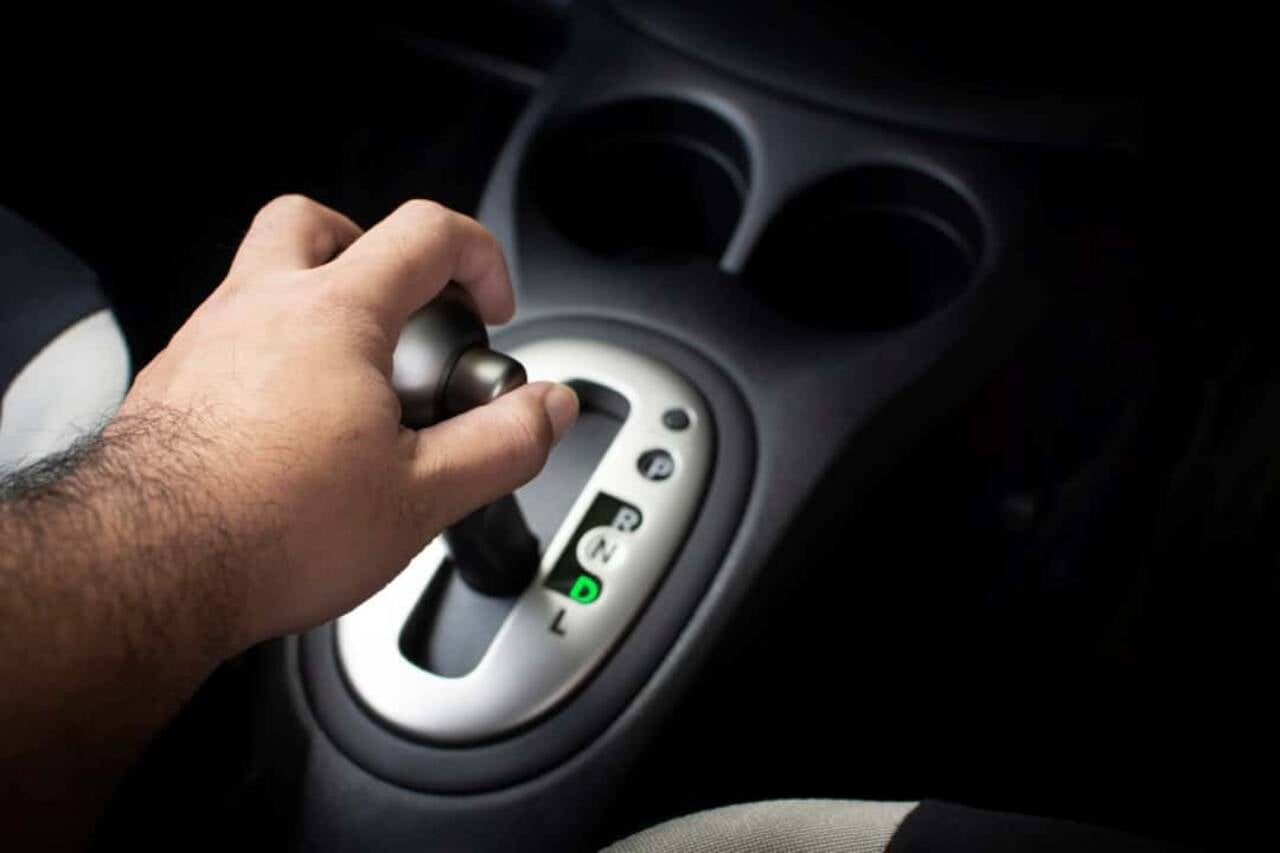
The letter “L” on the car’s gear lever remains ignored by most drivers. Essa function locks the transmission in the lowest gears, completely changing the vehicle’s behavior in specific situations. On prolonged descents, especially on mountain roads, this mode becomes essential to avoid serious brake damage.
Como works low gear mode
The “L” stands for low gear mode and keeps the transmission in lower gears, prioritizing traction and engine braking over speed. Diferente from Drive mode, which seeks smoothness and fuel economy by changing gears gradually, low gear forces the engine to spin faster, providing constant torque. On older four-speed automatic transmissions, the “L” position locked out first gear. Modern Unidades with five or more gears typically limit operation to first and second gear, or even third in ten-ratio gearboxes.
Essa setting prevents the gearbox from shifting up through the gears, keeping the engine in the ideal power range. The vehicle accelerates with more force and the driver achieves a level of precision that the Drive mode deliberately foregoes.
Proteção of the brakes on prolonged descents
On steep descents, conventional brakes suffer constant impact. Cada pedal operation transforms movement into heat, overloading pads and discs. On a long enough descent, this excessive heat reduces braking efficiency. If the driver continues to press, the fluid can boil, causing the pedal to sink to the bottom.
In low gear mode, braking is the responsibility of the engine. With the transmission engaged in a low gear, the engine’s internal resistance exerts pressure on the wheels, braking the vehicle without the pedal being activated. Esse engine brake preserves the pads and discs, keeping the friction material cold and the pedal firm throughout the descent.
Situações where low gear is essential
Steep Subidas create different challenges. A transmission in Drive constantly seeks the highest gear to save fuel, shifting up exactly when the vehicle needs boost. Nesse moment, the rpm drops, the traction force decreases and the box downshifts an instant later, creating a repetitive cycle of changes that accumulates heat and wear.
When engaging L gear, the transmission prevents you from seeking higher gears. The engine remains in the ideal power range and delivers torque without interruption. The sensation is similar to that of downshifting a bicycle on a steep climb: your legs turn faster, but pedaling becomes easier and progress remains constant, without losing strength.
Reboque multiplies all the effort on transmission. A trailer, boat or caravan adds mass that undermines the gear shifting logic optimized for fuel economy. Low gear mode interrupts this pattern abruptly. Manter lower ratios provide the traction needed to move heavy loads from a standstill and uphill, without the mechanical impact of constantly changing gears.
Gelo, snow or mud punish sudden changes in torque at the wheels. A shift into a higher gear interrupts power delivery enough to break fragile traction and cause wheelspin. Manter low gear smoothes these transitions, controlling speed with just the accelerator. Essa predictability also favors maneuvering in confined environments: parking a trailer at a campsite, traveling in heavy traffic or maneuvering slowly in a crowded garage reward the steady pace of low gear.
Recursos that replace the letter L in new cars
Muitos modern vehicles do not have the letter L on the gear lever:
- Modo manual (M) or steering wheel paddles for gear selection
- Modo push-button tow/load, changing gear shift points
- Controle from Descida to Declives automating transmission braking with controlled pulses
- Terrain management Sistemas adjusting transmission behavior for sand, snow or rock
- Função throttle-controlled traction without gearbox intervention
The underlying mechanical principle remains the same. The automakers just changed the nomenclature and the way it is operated.
Consequências from incorrect use
“Low” mode is a specific tool, not a mode for everyday use. Ativá it on flat highways causes the engine to spin at high speeds for an indefinite period of time, burning fuel and generating excessive heat. Prolonged use wears out engine bearings, distribution components and the transmission itself. Assim Once the steep incline or heavy load disappears, the lever should return to the “D” position.
Essa configuration exists exclusively for descents, ascents and surfaces with low grip. The next time a mountain road sign warns of a 6% descent, or a boat ramp calls for slow, controlled reverse, that lonely “L” lever will be waiting on the console. Basta a deliberate touch. In return, it offers the braking capacity, pulling power and control that the Drive mode purposely sacrifices.