Headaches in children: why childhood headaches require parental attention and accurate diagnosis By Carolina Costa
4 min read
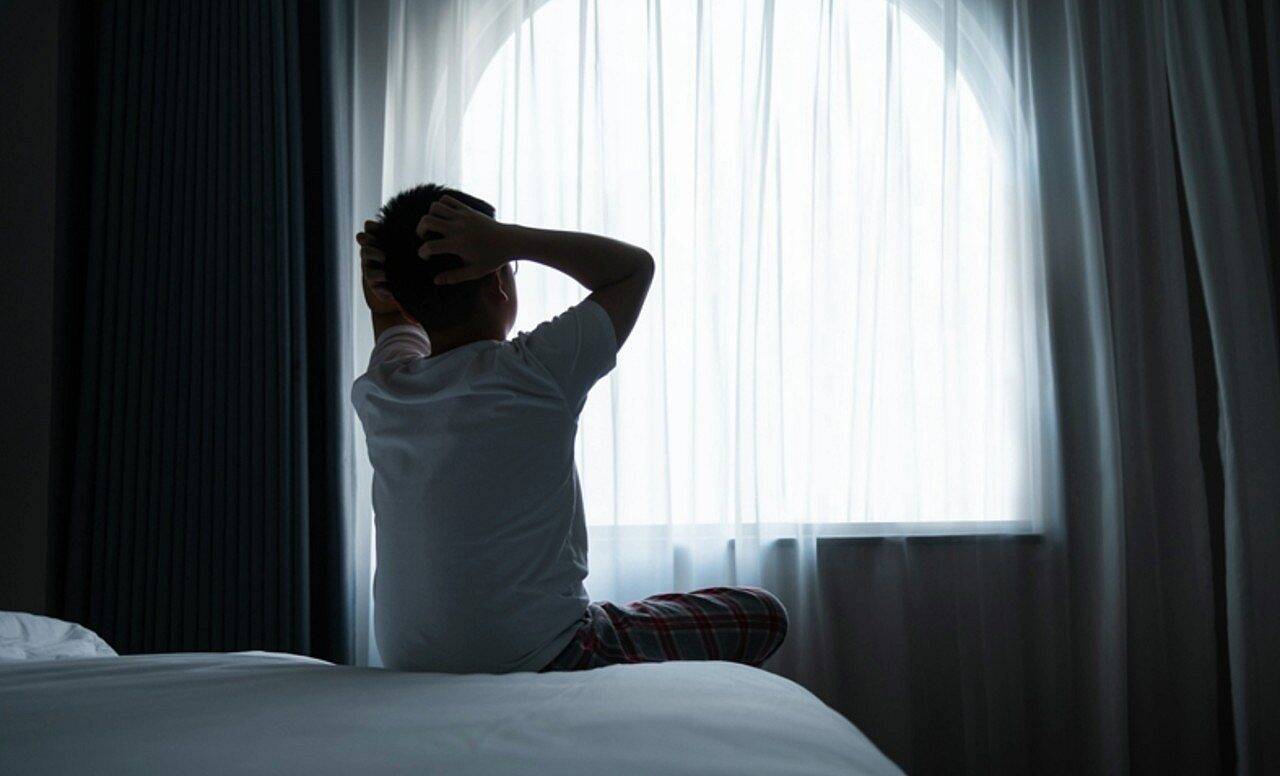 |
Many parents wonder about the seriousness of their children’s headache complaints, hesitating between seeking medical help or considering the pain as something temporary. However, experts warn that headache, the technical term for headache, is a very common and often misunderstood condition in childhood, requiring a careful approach and accurate diagnoses.
The impact of headaches on children’s lives
It’s a common misconception that young children can’t suffer from “real” headaches. Statistics indicate that recurrent headaches affect between 6% and 30% of school-age students. Ignoring these symptoms can have a significant impact on the quality of life of children, affecting academic performance, social interaction and emotional well-being, as well as generating anxiety for both the child and the family.
Prevalence and characteristics of childhood migraine
Migraines, although mainly associated with adults, are more common in childhood than many imagine. Estimates indicate a prevalence of between 7% and 10% in this age group, reaching up to 23% among adolescents. The challenge is that the manifestation of migraine in children differs from the classic adult pattern.
Generally, attacks in children are shorter and the pain, instead of being unilateral and throbbing, can occur on both sides of the head. Additional symptoms include nausea, vomiting, and an intense sensitivity to light and noise, leading the child to seek isolation. One notable subtype is abdominal migraine, where pain is concentrated in the belly, which often causes years-long diagnostic delays due to confusion with other gastrointestinal conditions.
Recognizing tension headaches in children
Another common form is tension headache, often described by children as a feeling of pressure or tightness around the head. This condition is strongly linked to behavioral and environmental factors present in children’s daily lives.
- These factors, easily identifiable by parents, include:
- Insufficient or poor quality sleep.
- Prolonged exposure to electronic screens.
- High levels of stress related to school or other activities.
- Skipping meals, especially breakfast.
- Inadequate water intake throughout the day.
- Inadequate postures during long hours of using a computer or cell phone.
Although muscle tension is a component, the mechanism is more complex, involving nervous system sensitization and emotional aspects. Changing these habits can bring great relief.
Approaches to relief and treatment
Before resorting to medication, there are several measures that can be implemented at home to help the child manage headache attacks.
- Sleep routine:Establish regular times to sleep and wake up, ensuring adequate rest.
- Constant hydration:Make sure your child drinks enough water throughout the day.
- Balanced diet:Prevent your child from skipping meals, especially breakfast.
- Reduced screen time:Limit the use of electronic devices and promote outdoor activities.
- Relaxing moments:Encourage light play and physical activities that promote lightness and movement.
- Relaxation techniques:During a crisis, provide a dark and quiet environment, practice slow breathing and perform light massages on the shoulders, back of the neck and scalp.
When pain persists, drug treatment may be recommended by a professional. For childhood migraine attacks, analgesics such as ibuprofen and paracetamol have demonstrated effectiveness, especially when administered early and in the correct dose for the child’s weight, with some advantage for ibuprofen. Dipyrone, although less studied internationally, is widely used in Brazil with a good safety and efficacy profile for pain and fever.
Dangers of self-medication and the search for preventive treatment
It is crucial to avoid repeated self-medication without medical advice for children, as excessive use of painkillers can, paradoxically, lead to a type of chronic headache, creating a cycle that is difficult to break. In situations of more frequent crises or those that incapacitate the child, there are preventive treatments, involving the daily use of medications to reduce the incidence of pain, which must be exclusively indicated and monitored by a pediatrician or neuropediatrician.
Warning signs that require immediate medical attention
Some types of headaches in children are indicative of more serious conditions and require urgent medical evaluation. It is essential to seek emergency care immediately if the pain appears suddenly and intensely, reaching its peak in less than a minute, or if it is accompanied by other worrying symptoms.
- Seek emergency care if you notice:
- Pain that appears abruptly and reaches maximum intensity in less than sixty seconds.
- High fever combined with stiffness in the back and neck.
- The appearance of unusual spots on the skin.
- Any change in the child’s gait, speech, vision, balance or behavior.
- Progressive worsening of headache episodes over days or weeks.
Maintaining open communication with the pediatrician is essential to monitoring the child’s health and ensuring that all complaints are properly investigated and treated.