HyperOS 4 leak reveals big visual changes and ‘Liquid Glass’ technology
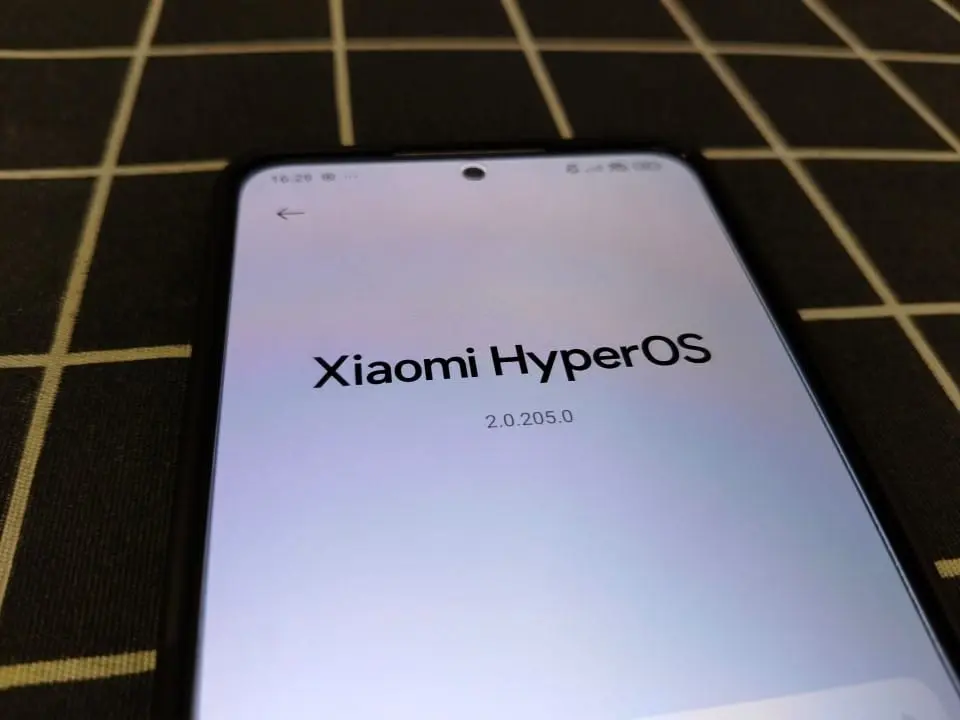
In a significant development for Xiaomi fans, a recent leak has brought to light the first screenshots of HyperOS 4, the company’s next major operating system update. Based on the upcoming Android 17, the new software promises a renewed interface, with adjustments that seek to harmonize the user experience with a modern visual language, which Xiaomi has named “Liquid Glass”.
A visual transformation for the system interface
Xiaomi’s innovative proposal for HyperOS 4 focuses on improving the aesthetics and functionality of the interface. Although the home screen does not present a radical revolution in its layout, the details reveal a subtle and elegant approach. One of the most striking features is the introduction of more intense shadows below the application icons, which gives a three-dimensional perception. This added depth not only improves visual appeal, but also creates a clearer distinction between on-screen elements and the user’s chosen wallpaper.
On the same topic: New version of Xiaomi’s operating system uses a translucent look to unify devices
Redesigned icons with a focus on realism
HyperOS 4 brings a notable overhaul to the system’s default icons, seeking a higher level of realism and detail. Icons such as “Settings” and “Camera” have been completely redesigned. The settings icon, for example, adopts a more mechanical and robust style, while the camera icon displays lens flares in shades of blue and purple, evoking an authentic and sophisticated look. This attention to visual details contributes to a more immersive and modern experience, aligning the system’s visual identity with contemporary trends.
See Also

Petunia wins title of Ugliest Dog in the World in traditional competition in California

Joey Chestnut’s win marks 18th Nathan’s Contest title with 66 hot dogs

August sky: 9 unmissable astronomical events, with solar eclipse and meteor shower
More on this story: Leaks indicate special edition of Nintendo Switch 2 focused on unreleased Zelda remake
New features to optimize screen use
In addition to aesthetic improvements, the leak points to the inclusion of practical features designed to optimize space and user interaction with the screen. One of the new features is a vertical widget selector. Strategically positioned, usually between the weather widget and the system tools folder, this feature is indicated by dots that allow the user to switch between different widget cards with a simple swipe up or down. This innovation allows you to access more information without overloading the screen with multiple large widgets, increasing the efficiency of smartphone use. Elements such as the tool folder also gained a more translucent design, similar to glass, which allows greater visibility of the wallpaper.
The basis of Android 17 and its expected impacts
The decision to base HyperOS 4 on Android 17 is a crucial point that underlines Xiaomi’s commitment to innovation and security. Android 17, still under development by Google, should bring with it a series of improvements in privacy, performance and new APIs for developers. For HyperOS 4 users, this will translate into a more fluid experience, with greater data protection and access to cutting-edge features that the Android ecosystem has to offer, ensuring that Xiaomi’s system is in line with the latest mobile trends and technologies. This integration ensures that Xiaomi devices will continue to receive the latest Android innovations.
Launch expectations and focus on artificial intelligence
There is still no defined release date for HyperOS 4, maintaining high expectations among users and the market. However, the software has already been observed working on the highly anticipated Mix Fold 5 foldable smartphone, indicating that development is advanced. Xiaomi has also taken advantage of this period to integrate and test several improvements based on artificial intelligence. These innovations should refine the overall experience, from performance optimization to smarter, more personalized functionality for each user, positioning HyperOS 4 as a system that is highly adaptive and responsive to everyday needs.