Japanese archaeologists reveal discovery of ancient royal tombs of the Dilmun civilization
A team of Japanese researchers announced, on March 21, 2026, during a press conference held in Tokyo, the discovery of one of the oldest royal tombs ever found in the extensive funerary complex of the Dilmun civilization. This ancient culture, which thrived in Bahrain, a strategic island nation in the Middle East, approximately 4,000 years ago, was a crucial commercial link between Mesopotamia and the Indus Valley. Understanding its social and political structure, often shrouded in mystery, makes each new archaeological discovery a fundamental advance in deciphering the history of the region. Masashi Abe, 49, who heads the Conservation Planning Research Laboratory at the National Cultural Heritage Research Institute in Tokyo and is a member of the team, told reporters that “Dilmun is a civilization full of enigmas, and this discovery represents a significant international milestone. Our goal is to analyze it with the utmost calm and attention.”
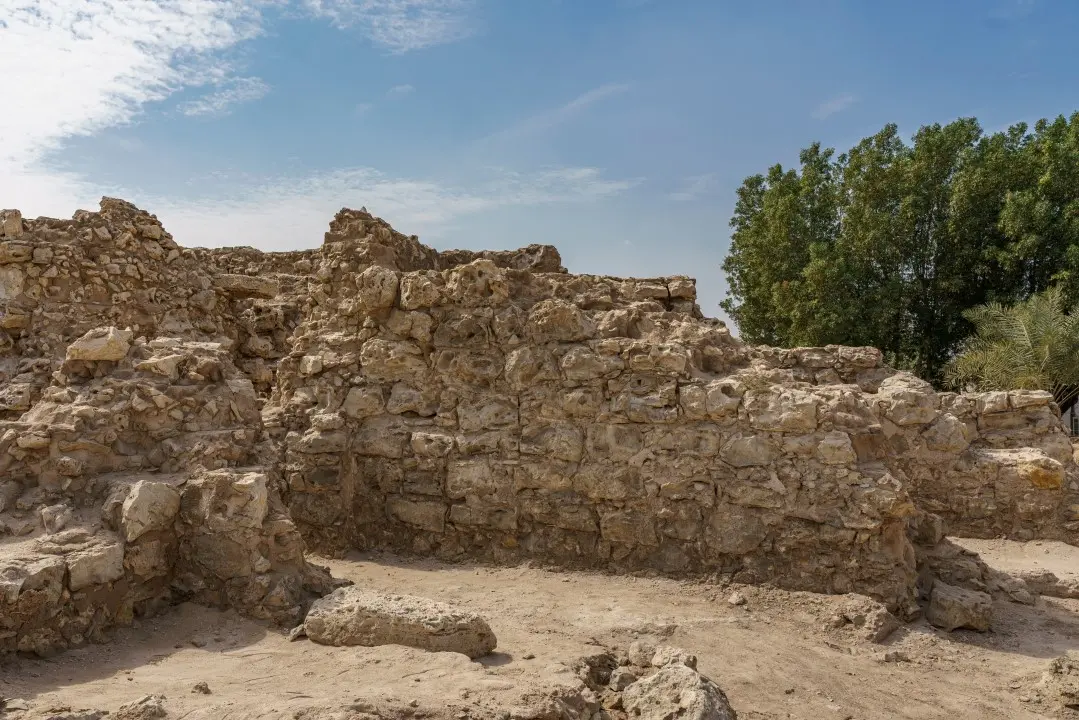
Detailed archaeological investigation was conducted at the site known as the “West Aari Group of Tombs”, with fieldwork taking place intensively during the months of January and February 2026. Inside one of the imposing tombs, which is around 20 meters in diameter and an impressive 2 meters high, experts identified a unique structure. These are stones stacked in an “H” shape, a distinctive configuration that proved to be compatible with the characteristics observed in other already recognized royal tombs from this same civilization.
Learn more: LiDAR reveals pre-Columbian cities with millions of inhabitants in the Amazon
See Also

Michigan serial killings result in six deaths, including US suspect

7.7 magnitude earthquake destroys buildings in Indonesia and triggers tsunami warning
Videos of the 7.7 earthquake in Indonesia reveal damage and panic in Asia
Meticulous analysis of the funerary artifacts recovered from the site, which included a variety of ceramic pieces, was crucial. These studies have conclusively indicated that this is the oldest royal tomb discovered to date in the Bahrain region, offering new and valuable insights into the hierarchy and power of Dilmun society in ancient times.