Risk of Listeria contamination causes recall of frozen blueberries in the US and Canada
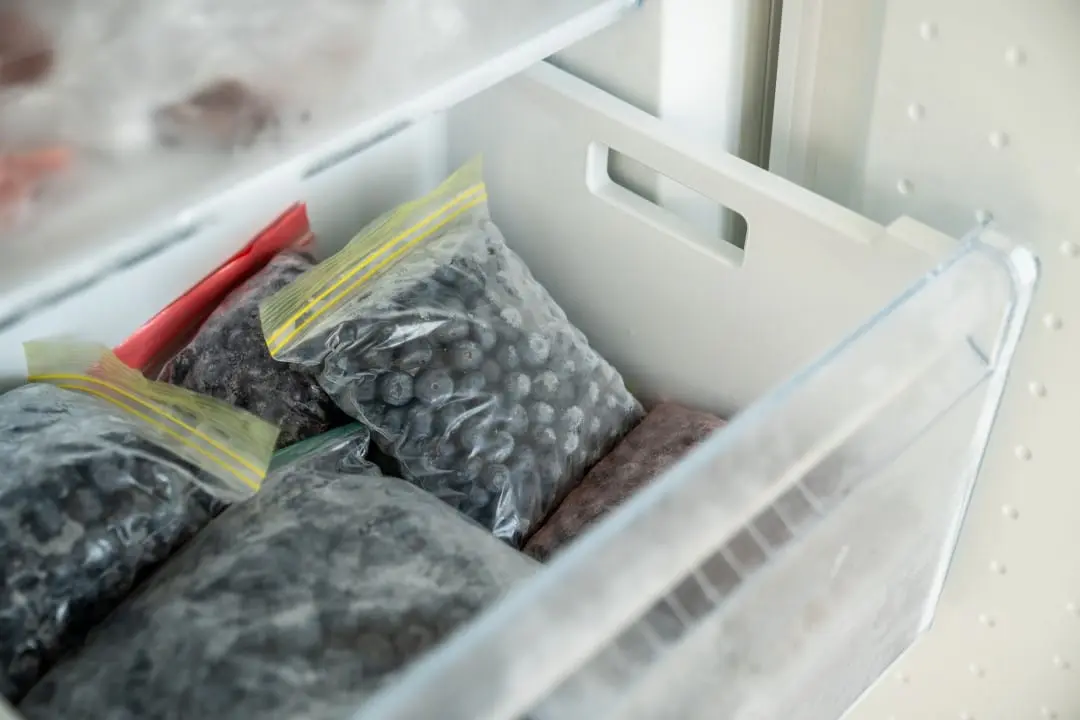
The North American company Scenic Fruit Company, based in the state of Oregon, began a voluntary recall process of batches of frozen blueberries distributed to the commercial sector. The drastic measure was taken after laboratory tests detected the presence of the bacteria *Listeria monocytogenes* in the fruits. The distribution radius of affected products covers the states of Michigan, Oregon, Washington and Wisconsin, in addition to exports sent directly to Canadian territory.
The health alert’s main objective is to protect the physical integrity of buyers and block any large-scale outbreak of food poisoning. As soon as the reports confirmed the contamination, the manufacturer activated its corporate communication channels to notify commercial partners and structure the reverse logistics of the compromised goods.

Surveillance agencies classified the scenario as a high-level threat, requiring increased attention from all links in the production chain. The great challenge for the food industry lies in the biology of the microorganism, which has the ability to survive extreme freezing temperatures, remaining in a dormant state until it finds favorable conditions to multiply.
On the same topic: Deadly bacteria risk prompts recall of frozen blueberries in the United States and Canada
The containment strategy seeks to minimize impacts on the public health network of the countries involved. The company works together with regulatory bodies to ensure the total removal of items from cold storage, maintaining a direct line of guidance with wholesalers so that disposal occurs in a documented and safe manner.
Details of industrial batches and specifications of affected packaging
The focus of this recall operation is on individually frozen blueberries, intended strictly for use in the processing industry and food services. The contaminated fruit circulated in 13.6-kilogram (30-pound) cardboard boxes and in large containers that hold up to 635 kilograms (1,400 pounds), containers normally destined for factories that fractionate or mix ingredients.
To identify the hazardous material, inventory managers need to cross-reference the data printed on the outer labels of each package. Official tracking determined that the exact batches that pose a biohazard carry the numbers 2055 B2 and 3305A1.
The expiration date printed on these boxes extends until November 2027, which increases the urgency of the search, as the product could be stored for years. The Food and Drug Administration (FDA) classified the case in Category 1, the agency’s most severe classification, used only when there is a real probability that consumption will cause serious adverse reactions or risk of death.
Establishments that purchased these shipments were expressly ordered to stop processing immediately and isolate the pallets in restricted areas. The Scenic Fruit Company’s guidance requires customers not to discard the product on their own without first formalizing the return, thus guaranteeing financial reimbursement and the controlled destruction of biological material.
Listeriosis symptoms and most vulnerable demographic groups
The infection caused by *Listeria monocytogenes* receives the clinical name of listeriosis, a pathology triggered by the ingestion of foods where the pathogen has managed to establish itself. Cross-contamination can occur in multiple stages, from harvesting in the field to washing belts, with the bacteria finding humid and cold industrial environments the ideal habitat to form biofilms that are resistant to common cleaning products.
The incubation period varies considerably, with the first signs appearing a few days or even weeks after the contaminated meal. The initial clinical picture usually presents sudden fever, intense muscle pain, stiffness in the neck region, episodes of nausea and intestinal complications, which can progress to mental confusion and convulsions if the infection reaches the central nervous system.
Medical authorities warn that certain patient profiles face a disproportionate risk of severe complications:
More on this story: Frozen blueberry recall hits US and Canada due to listeria risk
- Elderly, due to the natural decline of the immune response.
- Individuals with chronic illnesses or who use immunosuppressive medications.
- Pregnant women, who are at risk of premature birth, fetal infection or miscarriage.
- Newborns exposed to bacteria during pregnancy.
When the condition worsens, the disease can trigger meningitis or sepsis, requiring hospitalization in intensive care units and intravenous administration of broad-spectrum antibiotics. To prevent the situation from reaching this point, the manufacturer set up a task force to track each invoice issued and contact buyers by phone and email.
Ripple effect on the supply chain and derivatives manufacturing
The economic and logistical impact of this event hits the food processing sector hard. As the fruits were not sold in traditional supermarkets, but were used as raw materials for yogurts, syrups, bakery products and smoothie mixes, the pathogen could be hidden in secondary goods, which forces inspectors to widen their investigation net to dozens of other brands.
See Also

Electrical discharge knocks man off roof in Jaguaruana after contact with power lines

Global auction raises US$11.9 million and Brazil’s historic currency reaches record value

Former fighter Prichard Colón dies at age 33 after decade in a vegetative state
On the Canadian side of the border, the Canadian Food Inspection Agency (CFIA) has taken control of investigations to ensure that no batches cross provincial barriers. The efficiency of this stage depends entirely on the digital traceability systems adopted by import companies, which need to map the exact destination of each kilogram of fruit.
Distributors located in Michigan and Oregon reported that quick communication prevented further logistical chaos, allowing docks to be blocked prior to processing. The frozen fruit market is now working to meet the demand left by the recall, while reviewing its internal quality protocols to prevent shortages from affecting the final price of derivatives.
Learn more: Canadian agency orders urgent recall of Agropur milk after detecting glass fragments
Guidelines for hygiene and blocking bacterial proliferation
Food safety experts emphasize that handling suspect ingredients requires extreme technical rigor. As low temperatures only stop Listeria’s cell division without eliminating it, the only thermal barrier capable of destroying the bacteria’s cell wall is cooking at temperatures above 70 degrees Celsius, something that rarely occurs when preparing smoothies or cold desserts.
To eradicate any trace of the microorganism in the facilities, industrial kitchen managers must follow a strict protocol:
- Empty and completely disinfect the cold rooms where the boxes were stored.
- Apply approved sanitizing solutions to all countertops, blenders and cutting utensils.
- Monitor and record temperatures of refrigeration equipment to ensure proper functioning.
Incorrect disposal also poses an environmental hazard, which is why agencies require that unreturned fruit be sealed in double bags before going into industrial waste. The FDA continues to update its official portals with decontamination manuals specifically aimed at heavy machinery used in the baking industry.
Government response and tightening of health inspection
The joint action of the FDA and the United States Department of Agriculture (USDA) demonstrates a change in attitude regarding preventive inspection in factories. The discovery of the pathogen during routine testing proves that current legislation, based on the Food Safety Modernization Act (FSMA), requires constant laboratory surveillance to prevent machinery failures from turning into public health crises.
Learn more: Canada orders recall of Agropur milk after detection of glass fragments in products
Triggering the Class 1 alert mobilizes federal resources to audit transportation records and ensure that no boxes have been diverted to the parallel market. Consequently, health inspectors are intensifying surprise visits to other frozen food processors, looking for flaws in the drainage and ventilation systems, places where the bacteria usually hide.
The company’s decision not to wait for a court order to initiate the recall is seen as the gold standard in corporate crisis management. Statistics compiled by the Centers for Disease Control and Prevention (CDC) indicate that proactive market withdrawals drastically reduce the annual hospitalization curve, proving that immediate transparency saves lives and reduces the State’s hospital costs.
Technological evolution in preventing outbreaks in the food industry
The history of contamination in the frozen fruit sector, especially after the large outbreaks recorded in the last decade, forced a revolution in packaging and quick freezing methods. The old canvas mats were replaced with antimicrobial metal alloys, and the factory architecture was redesigned to prevent water from accumulating on the floors during washing shifts.
Currently, corporations in the sector inject millions of dollars into ultraviolet light and genetic mapping technologies to identify pathogens in real time. Materials engineering laboratories are also advancing in the creation of smart packaging that changes color when detecting bacterial activity, in addition to optical sensors installed directly on sorting lines.
The partnership between food manufacturers and independent laboratories to carry out random collections has become a market requirement to maintain investor confidence. With the adoption of these technological innovations, the frequency of undetected outbreaks has fallen, showing that data science and microbiology are the main tools to protect both the health of the population and the reputation of global brands.