Deadly bacteria risk prompts recall of frozen blueberries in the United States and Canada
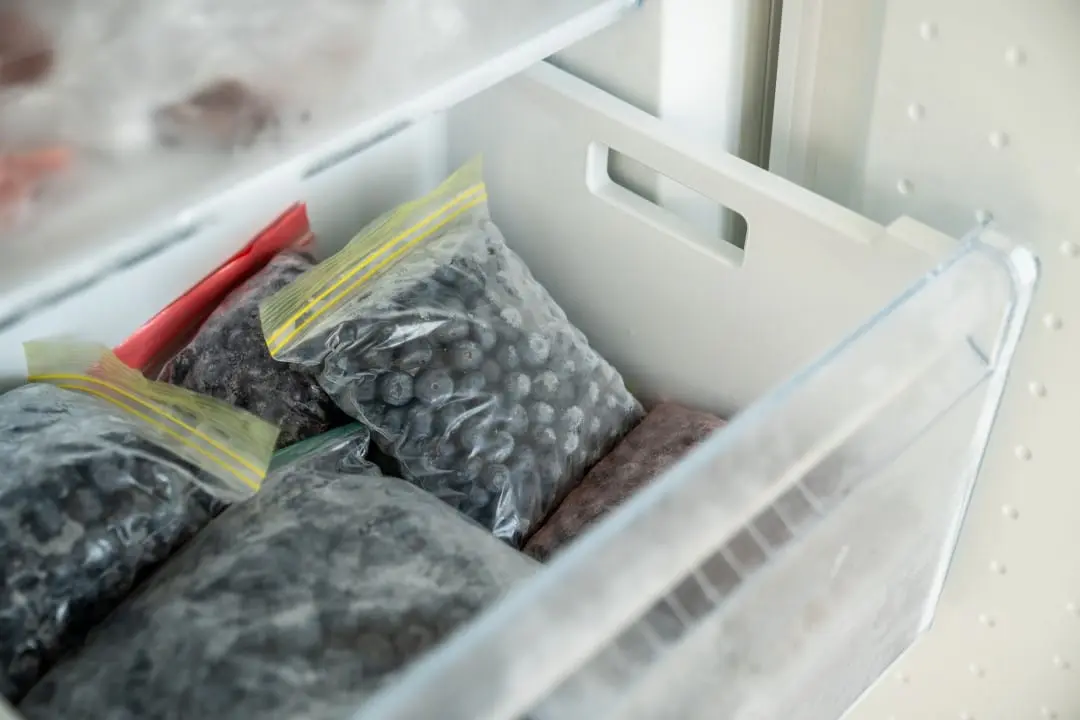
The North American manufacturer Scenic Fruit Company began the voluntary recall of batches of frozen blueberries after identifying possible contamination by the bacteria Listeria monocytogenes. The affected products crossed commercial borders, reaching the Canadian market and circulating through American states such as Michigan, Oregon, Washington and Wisconsin, focusing on the industrial processing sector.
The drastic measure occurred shortly after routine tests confirmed the presence of the pathogen in one of the samples evaluated. Immediately, the corporation sent urgent communications to its logistics partners, halted the flow of goods and blocked any new shipments of the suspected items.

The great challenge for health authorities lies in the extreme biology of this microorganism, which can survive and even multiply at commercial freezing temperatures, such as the industry standard -18°C. Due to this unique resistance, maintaining strict hygiene in the chilled food segment represents a constant and complex battle for producers.
The central objective of regulatory bodies now is to minimize impacts on the population through an in-depth investigation of the entire supply chain. The responsible company works together with inspectors, using traceability platforms to ensure that compromised boxes never reach end consumers’ tables.
On the same topic: Risk of Listeria contamination causes recall of frozen blueberries in the US and Canada
Tracking codes help companies isolate contaminated industrial batches
The scope of this sanitary operation exclusively covers large packaging, weighing 13.6 kg and 635 kg, intended for corporate use. This significant volume is only sold to factories that use the fruit as raw material in the preparation of mixtures, purees or in large-scale bakery production.
To carry out correct sorting, buyers need to check the tracking codes printed on the outside of the containers. The exact number that triggers the health risk alert follows the following order:
- The first risk group carries the control ID 2055 B2.
- The second set of processed fruits is marked with code 3305A1.
The expiration date of all items listed extends until November 2027, which considerably increases the danger of long-term exposure. The Food and Drug Administration (FDA) classified the episode as a Class 1 recall, the agency’s most serious classification, applied when there is a real probability that consumption will cause severe health problems or deaths.
Learn more: Canadian agency orders urgent recall of Agropur milk after detecting glass fragments
Corporate customers who have this material in stock have been ordered to isolate the merchandise immediately and stop any production lines associated with it. In addition to passing on the alert to secondary links in the chain, cargo holders must arrange for the safe return or complete destruction of the fruit.
Understand the impacts of listeriosis on the human body and the groups most vulnerable
Listeriosis, an infection generated by this bacteria, finds an ideal environment for proliferation in the humidity characteristic of fruit processing plants. The insertion of the pathogen can happen in several stages, from harvesting in the field to packaging within the industrial park.
The incubation time until the first clinical signs appear varies from a few days to several weeks, making rapid diagnosis difficult. Initial symptoms involve high fever, intense muscle pain, neck stiffness, nausea and abdominal discomfort, which can progress to mental confusion or convulsions if the central nervous system is affected.
Public health experts warn that the severity of the disease increases exponentially in people with weakened immune systems, requiring extra care for the following profiles:
- Elderly people, who naturally experience a drop in the body’s defense capacity.
- Immunosuppressed patients or those undergoing treatment for chronic diseases that affect the cellular response.
- Pregnant women, who are at direct risk of miscarriage or fetal death.
- Newborns, susceptible to contracting the infection during birth.
In extreme scenarios, the clinical picture can trigger meningitis or a generalized blood infection, forcing immediate hospitalization and the administration of intravenous antibiotics. Faced with this threat, manufacturers have intensified direct contact with distributors to ensure that no suspicious boxes remain active on the market.
Ripple effect reaches secondary brands that depend on fruit as an ingredient
Although the end consumer does not buy these giant boxes in supermarkets, blueberries serve as a base for yogurts, juices, desserts and baked goods, dispersing the scope of the problem. Because of this invisible input characteristic, regulatory agencies need to expand oversight to secondary brands that depend on this supply.
See Also

Electrical discharge knocks man off roof in Jaguaruana after contact with power lines

Global auction raises US$11.9 million and Brazil’s historic currency reaches record value

Former fighter Prichard Colón dies at age 33 after decade in a vegetative state
More on this story: Frozen blueberry recall hits US and Canada due to listeria risk
In Canadian territory, the Canadian Food Inspection Agency (CFIA) works in cooperation with the United States to stop the international transit of the pathogen. The success of this border blockade is directly linked to the accuracy of the digital tracking systems operated by logistics companies.
Commercial representatives from important hubs, such as Michigan and Oregon, say that supply interruptions will be resolved soon. To avoid financial losses, food factories have already activated alternative suppliers and reinforced their own internal quality tests.
Strict disinfection protocols attempt to eradicate bacteria from industrial facilities
The complexity in food handling occurs because Listeria not only resists acidic environments, but also tends to eliminate competing bacteria when subjected to extreme cold. The initial step in trying to eradicate it involves washing the fruit at high temperatures combined with strong sanitizing agents.
To eliminate the risk of cross-contamination, facilities that have stored suspected products need to carry out exhaustive cleaning procedures:
- Deeply disinfect the cold rooms and industrial refrigerators that housed the boxes.
- Sterilize processing tables, large blenders and utensils that have touched the raw material.
- Calibrate thermostats in storage areas to ensure the correct temperature, with periodic checks.
Official guidelines dictate that machinery be completely dismantled to ensure the removal of any organic residue. Government agencies maintain teams on standby to guide companies in the correct application of these decontamination methods before resuming operations.
Federal agencies intensify monitoring to prevent new security breaches
Detection of the problem during routine inspections forced the United States Department of Agriculture (USDA) and FDA to implement swift policy actions. Cross-checking data shows that failure to sanitize processing equipment continues to be the main gap for large-scale infections.
When a health crisis reaches this level, extraordinary notification capabilities are released to map each batch during transportation. In this particular incident, the frozen food industry’s reputation took a hit, even though historically the raw meat industry has faced much heavier scrutiny.
Learn more: Canada orders recall of Agropur milk after detection of glass fragments in products
Statistics from the Centers for Disease Control and Prevention (CDC) indicate that hospitalizations caused by Listeria have dropped considerably over the years, thanks to rapid response mechanisms. The transparency in the conduct of this recall proves that early warning systems work effectively when activated without delay.
Technological advances shape the future of inspection on food production lines
The history of health emergencies in recent decades has led to profound redesigns in the design of assembly lines. Early on, the industry needed to redesign the airflow and drainage systems in warehouses to eliminate pools of water where bacteria used to multiply.
Currently, the market injects heavy resources into instant detection sensors and packaging with antimicrobial properties to safely extend the useful life of inputs. The implementation of artificial intelligence in the optical sorting of fruits, even before freezing, represents the next big step towards shielding the production chain.
Strategic partnerships with independent laboratories and food analysis giants ensure that testing takes place without any commercial interference. By putting public health first and executing agile voluntary recalls, corporations avoid million-dollar lawsuits and preserve market confidence in the long term.