

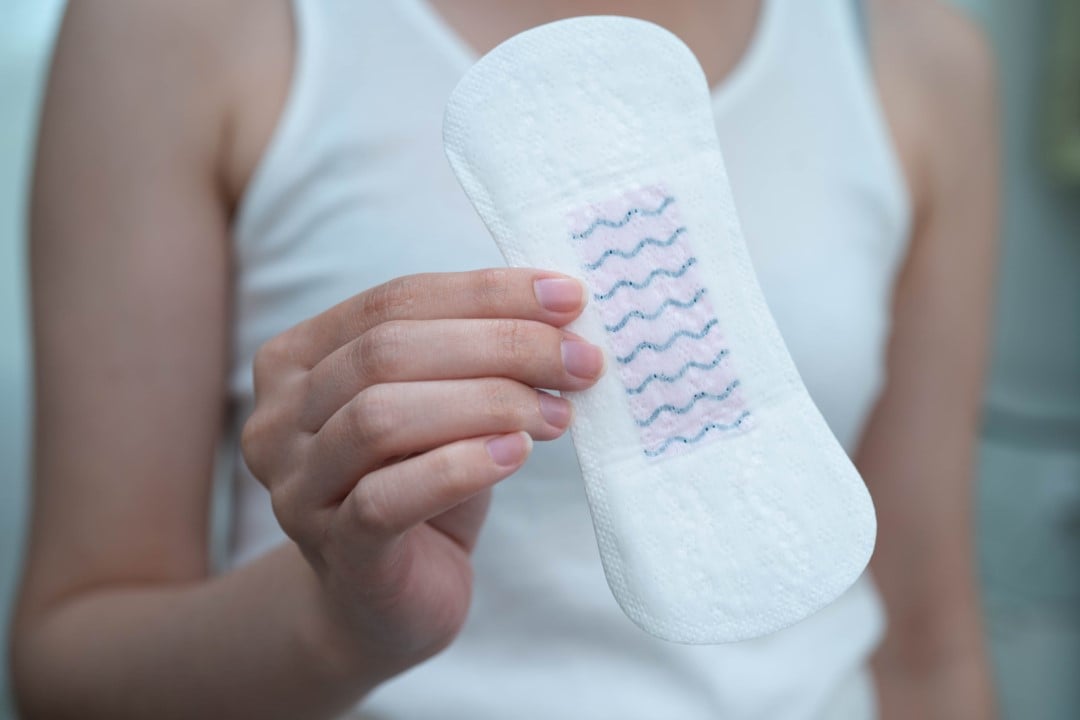
Women and people who menstruate in socially vulnerable situations can now redeem a kit with 40 menstrual hygiene items at Farmácia Popular network units. The benefit, aimed at the age group from 10 to 49 years old, requires a minimum interval of almost two months between each request. The entire release procedure takes place virtually through the Meu SUS Digital application, which speeds up service at the counter. Public policy directly attacks menstrual poverty, a historic problem in Brazil that affects the school performance and health of millions of citizens who do not have the budget to purchase these basic items.
Criteria required by the government for the release of intimate products
To access the federal initiative, the citizen must have updated data in the Single Registry (CadÚnico) and belong to the age group defined by the Ministry of Health. Furthermore, the applicant’s profile must fit into strict social markers, such as living in extreme poverty, being a student in the public education system with restricted family income or facing the reality of the streets.
More on this story: How the public health system structures free care for nicotine addicts
The volume delivered at each trip to the counter was calculated to guarantee protection for two consecutive months, totaling 40 units per person. Renewal of this personal stock is only permitted after a period of 56 calendar days. Any private drugstore that displays the official seal of partnership with the federal government is able to supply the packages without charging the consumer absolutely anything.
Learn more: El Niño: climate phenomenon raises alarm for explosion of mosquito infections in the country
The system automatically stops any attempt at early redemption, making it mandatory to comply with the waiting window stipulated by federal management.
Understand the mathematical calculation behind the bimonthly quota of sanitary pads
The mathematics adopted by health authorities takes into account the biological pattern of a 28-day cycle. Ministry experts estimate that a person uses around four sunscreens daily during an average flow of five days, resulting in an expenditure of 20 units per month. Multiplying this consumption by two, we arrive at a closed package of 40 items that perfectly covers the required range.
All of this technical basis is contained in the guidance documents published by the government’s technical team. The official text clarifies that bimonthly logistics reduces the need for frequent trips to drugstores, optimizing the transfer of hygiene materials.
Full coverage: Latest News (EN)
Step by step to generate the digital document in the SUS application
The passport to purchase intimate products is hosted within the virtual platform of the Unified Health System. The user needs to log in with their credentials on the Gov.br portal, search for the tab dedicated to menstrual health and issue the voucher. At the time of physical assistance, simply show your smartphone screen or take the printed paper, always along with your identity card.
This electronic certificate works as proof that the government has already cross-checked the data and validated that person’s social need. It is advisable to check whether the permit is still within its validity period and look for commercial establishments that display the federal program sign on the facade, ensuring that the trip will not be wasted.
On the same topic: Climate change drives risk of dengue and chikungunya outbreak in Brazil
Before leaving home, make sure you have the following requirements ready to avoid problems at the counter:
- Active voucher: generate official permission directly on the government healthcare platform.
- Civil identification: present an original document with a photo that contains the number of your Individual Taxpayer Registry.
- Correct location: only go to partner drugstores in the public network.
- Time control: wait for the grace period of almost two months to end if you have already made a previous redemption.
Financial limits and registration requirements for benefit approval
Government screening uses the social database to filter who really needs state support. The financial cut rule requires that income per family member does not exceed R$218 per month, except for students in state or municipal schools and citizens without a fixed home, as long as everyone respects the reproductive age limit.
As the digital tool contains all registration information, it is the only safe way to confirm whether the right is active. Changes in family income can block access, so prior consultation on the app avoids frustration when applying in person.
More on this story: SUS reestablishes two-dose schedule of injectable polio vaccine from August
The target audience for government action is basically divided into three large vulnerable groups:
- Needy families: individuals who survive with extremely limited financial resources and are actively registered in the social system.
- Enrolled students: young people who attend public educational institutions and declare insufficient income.
- Homeless population: people who use the streets as a living and survival space, duly mapped by social assistance.
Service dynamics at partner pharmaceutical establishments
Arriving at the authorized store, the citizen only needs to hand over the required documentation to the responsible pharmacist. The transfer of hygiene items is fully subsidized by the Union, which means that cashiers are prohibited from demanding the combined purchase of medicines or cosmetics to release the menstrual protection quota.
The entire logistical mechanism was designed to reduce bureaucracy in the continuous delivery of materials to those suffering from a lack of basic sanitation. Keeping government data up to date and monitoring deadlines via cell phone are the only tasks required to ensure that intimate dignity is preserved throughout the year.