Rare concentration of 500 hammerhead sharks spotted off the Atlantic coast of France By Beatriz
2 min read
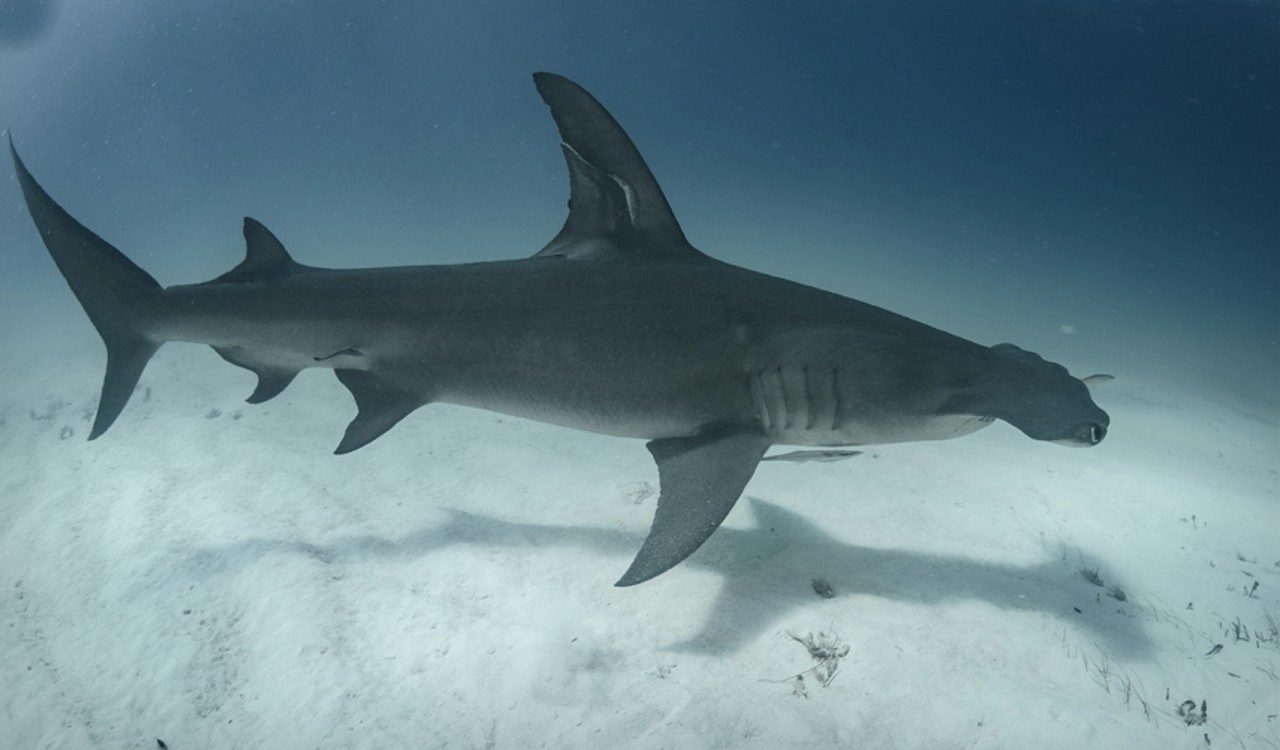 |
A “very rare sighting” marked the French Atlantic coast in August, when a group of approximately 500 sharks were spotted. The phenomenon occurred near the Isle of Ré, located in Charente-Maritime. Photographs by Gaël Contal allowed the Association for the Study and Conservation of Seláceans to confirm the identification of the species, known as coastal shark.
For Gaël Contal, an aquatic photographer with a great passion for the sea, the experience was “simply unbelievable”. He reported being close to Portes-en-Ré when he was alerted by surfers about the presence of the animals. “There were dozens and dozens of sharks,” Contal said. He kept his distance, aware that the species is harmless and skittish, to prevent them from escaping. The photographer stated that he expected to see just one, but the number was surprising.
Ha sharks: an extremely vulnerable species
Parc Naturel Marin reinforces that the shark is classified as an “extremely vulnerable” species. This fragility is mainly due to its late sexual maturity and low fertility rate, factors that hinder population recovery.
Its conservation status is of great concern. The humpback shark is listed as “critically endangered” globally, according to the International Union for Conservation of Nature (IUCN, 2020). In Europe and the Mediterranean, it is considered vulnerable, benefiting from international protection through the CMS, the Barcelona Convention and the Sharks MoU.
Parc Naturel Marin described the event as “remarkable for the marine biodiversity of our coasts”, highlighting that a concentration of such magnitude is rarely recorded.
Characteristics and habitat of the shark
Known scientifically as Galeorhinus galeus, the hâ shark is a coastal species typical of temperate waters. Its presence extends from the English Channel to the North Sea, including the entire Atlantic region. It inhabits both continental and island plateaus, close to the coast, and deeper areas, reaching up to 800 meters. This shark’s diet is mainly composed of fish, cephalopods and crustaceans.
Citizen contribution to the protection of marine species
For Parc Naturel Marin, records like this highlight the importance of individual participation in understanding and protecting these species, which are often misunderstood and feared without justification. Several sharks and rays, which belong to the elasmobranch family, live in the Park’s waters. A platform dedicated to local observations has been created so that findings can be reported to the organization.