
Growth of chronic kidney disease sparks global warning about five dangerous daily habits By Beatriz
4 min read
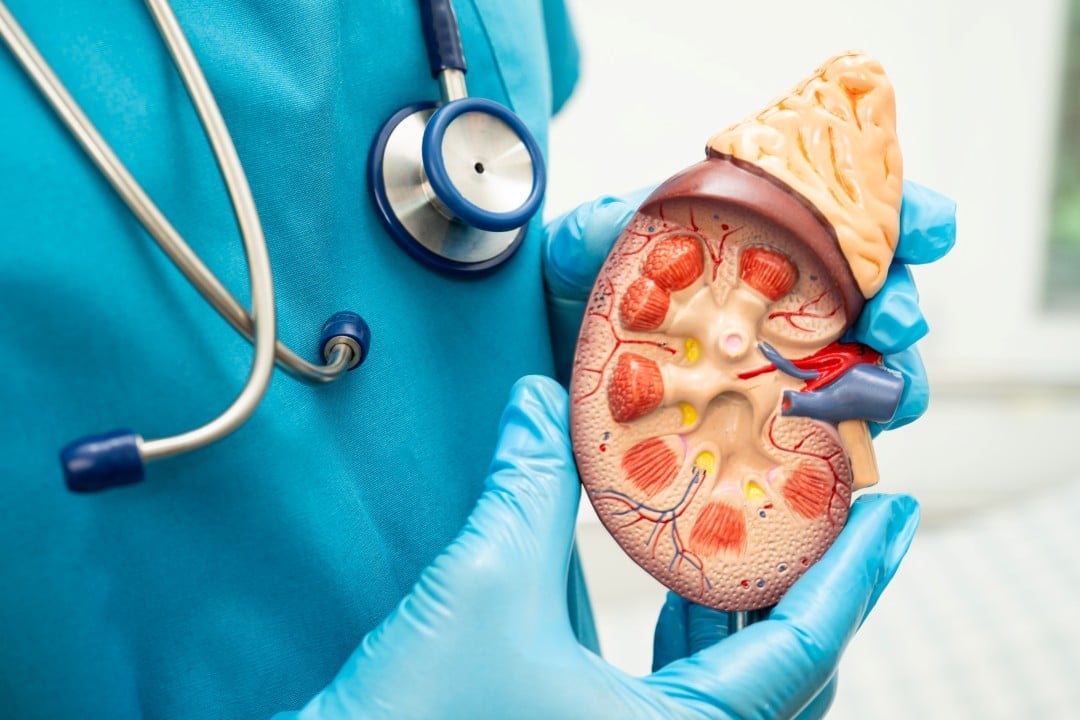 |
The incidence of chronic kidney problems has reached alarming levels on a global scale, currently affecting around 788 million people. The number represents a significant jump compared to the 378 million diagnoses recorded in the 1990s. Hoje, the condition affects approximately 14% of the world’s adult population. The clinical picture is already positioned as the ninth leading cause of mortality on the planet. The dysfunction causes around 1.5 million deaths every year.
The scenario requires quick responses from health systems to ensure early diagnosis and adequate treatment. Nephrologist Daphnne Camaroske explains that the kidneys have a great capacity for adaptation. Isso causes loss of function to occur for years without showing obvious physical signs. Quando the patient notices body changes, the condition is usually at an advanced stage. The situation limits the therapeutic approaches available in hospitals and increases the complexity of daily clinical management.
The global advance of kidney dysfunction and warning campaigns
The international medical community intensifies awareness efforts through milestone dates. Rim’s Dia Mundial, always organized on the second Thursday of March, completed two decades of existence in 2026. This year’s campaign focused on patient protection and environmental sustainability. The debate included the high natural resource costs required by dialysis treatments. Especialistas seeks to reduce inequalities in access to renal replacement therapies in developing countries.
Recent Pesquisas published in scientific journals, such as the magazine The Lancet, document the overload on public and private systems. The progression of chronic kidney disease requires structured public policies. Gestores need to organize care networks that support the growing volume of chronic patients. Equity in the distribution of medicines and hemodialysis machines remains the main challenge for the coming years, requiring heavy investments from local and federal governments.
The direct influence of hypertension and diabetes on diagnoses
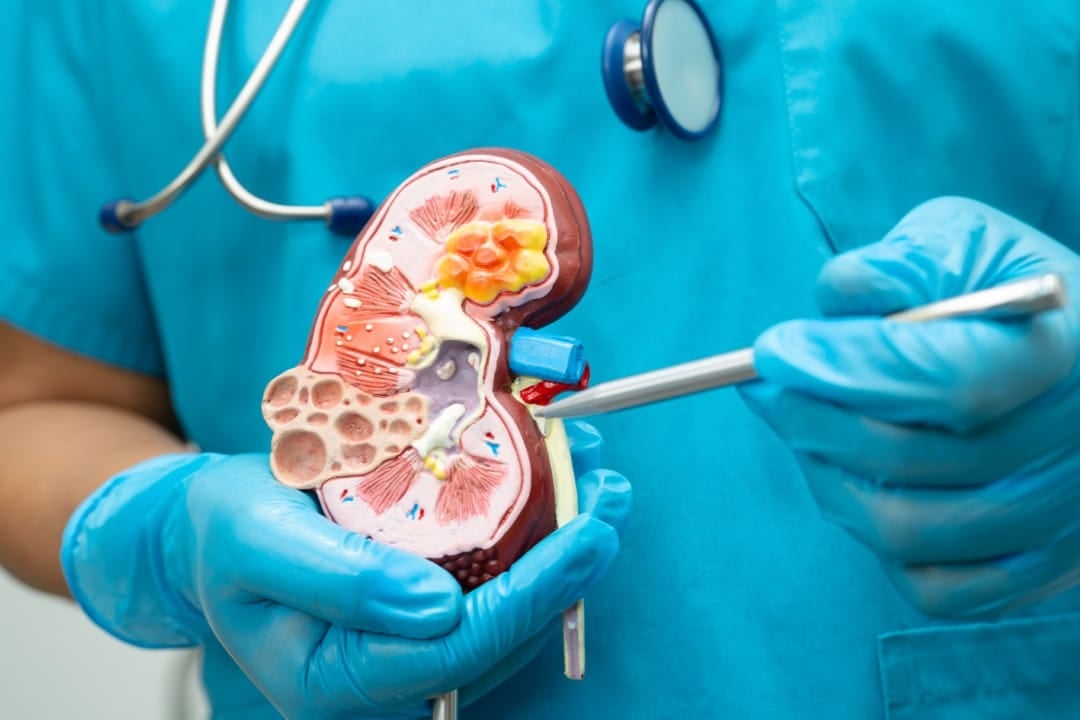
The development of kidney failure is closely linked to other comorbidities that are quite common among the population. High blood pressure leads the statistics as the main factor causing the disease in patients requiring dialysis at Brasil. The data appears in the most recent Censo Brasileiro of Diálise. Chronic uncontrolled blood pressure damages blood vessels over time. The filtering structure gradually loses its efficiency, forcing the organ to work under constant stress.
Diabetes appears next in the ranking of primary causes. Metabolic dysfunction accounts for around 32% of serious cases that arrive at nephrology offices. Projeções doctors indicate that between 20% and 40% of diabetic individuals will develop some degree of renal impairment during their lifetime. Strict control of blood glucose levels prevents the destruction of glomeruli. Continuous medical monitoring prevents the accelerated progression of the clinical condition and guarantees a better quality of life.
Ações routines that harm the functioning of the kidneys
Muitas people damage their own excretory organs every day without realizing it, motivated by haste or lack of medical information. Doctor Daphnne Camaroske lists common behaviors that reduce the body’s ability to eliminate toxins. Immediate modification of these practices protects cellular structure and prolongs the health of the urinary system. Experts highlight five critical points of attention in the routine:
- Uso indiscriminate of anti-inflammatories and analgesics for common pain.
- Dietas with excess proteins of animal origin without nutritional guidance.
- Baixa daily intake of drinking water.
- Consumo high sodium and ultra-processed food products.
- Ingestão abusive and frequent consumption of alcoholic beverages.
Frequent consumption of pain medication directly interferes with the blood flow to the kidneys. The drugs reduce the production of substances responsible for keeping the vessels dilated. The internal pressure drops and the filtration rate plummets. Pacientes elderly, diabetic or dehydrated suffer even more severe impacts from self-medication. Restricting the use of these chemical compounds preserves the integrity of the nephrons and prevents irreversible acute injuries.
The impacts of an unbalanced diet on the excretory system
The modern dietary pattern imposes an excessive workload on the human excretory system. Dietas focused on high protein intake generates a state of hyperfiltration. The organ works above the natural limit to process nitrogenous compounds derived from animal meat. Indivíduos with a genetic predisposition or with prior hypertension are at greater risk when adopting these regimens without supervision. Kidney tissue suffers continuous microlesions that culminate in long-term loss of function.
Produtos sausages, industrialized sauces and colas aggravate the metabolic situation. Esses items deliver very high doses of sodium and phosphorus to the human body. Liquid retention increases the pressure inside the filtering units and accelerates cellular wear. Excess artificial minerals alter the permeability of small renal vessels. The chronic inflammatory process facilitates the loss of essential proteins through urine, representing one of the first clinical signs of organ failure.
The dangers of chronic dehydration and alcohol consumption
Lack of adequate hydration complements the cycle of daily attacks on the body. The low volume of water reduces blood circulation in the abdominal region and facilitates the formation of stones. Thirst acts as the first warning signal emitted by the brain. Dores headache, fatigue and dry skin indicate that water reserves are at the critical limit. In extreme cases, fluid deprivation causes acute kidney injury, requiring immediate hospitalization to stabilize the patient’s vital signs.
Alcohol also disrupts water balance in an aggressive and systemic way. The substance inhibits antidiuretic hormone and forces the body to urinate in large volumes. The rapid loss of essential electrolytes causes severe dehydration within hours. Consumption associated with hot days or the use of painkillers creates the perfect scenario for acute organ failure. Moderation in the intake of alcoholic beverages and hydration with pure water prevents permanent damage to the blood’s filtering structure.













