Xiaomi 15T achieves almost 29 hours of battery life in test but lags behind competitors
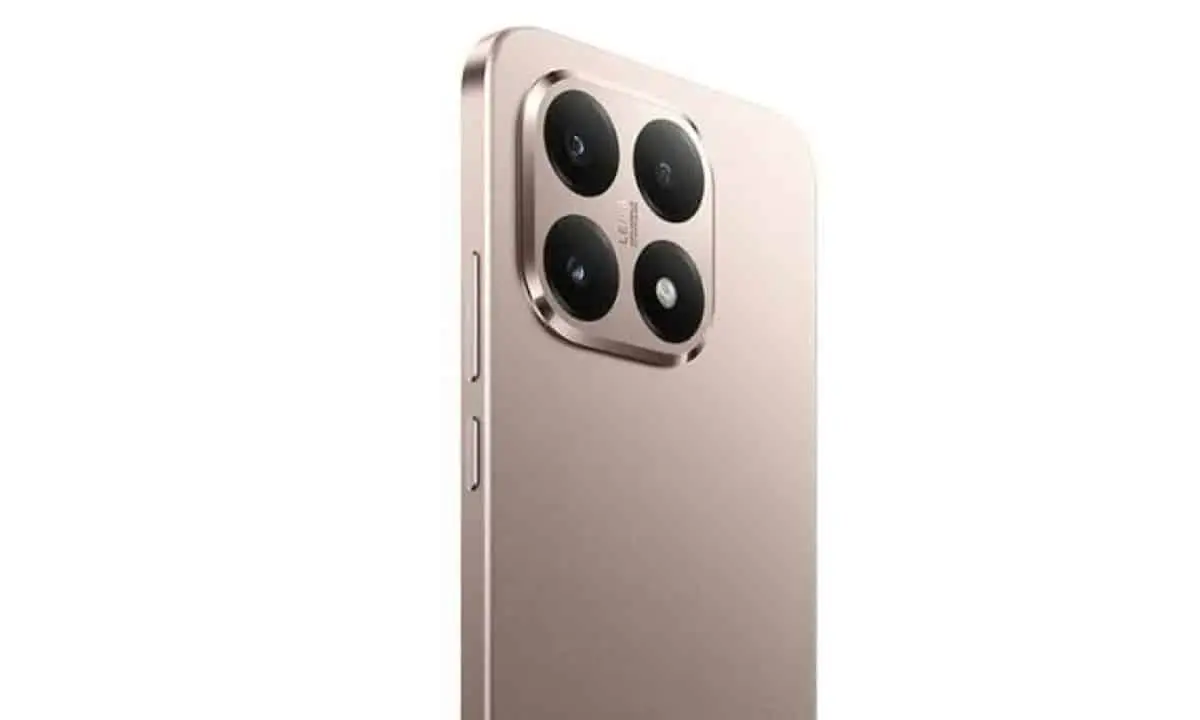
The Xiaomi 15T underwent a standardized battery assessment that simulated heavy usage with popular apps and games. The device ran out of charge after 28 hours and 55 minutes, with the screen on for 13 hours and 41 minutes. Esses numbers indicate solid performance for a full day of varied activities, although the device does not lead the segment in extended autonomy.
Especificações technical and battery capacity
The Xiaomi 15T arrives on the Brazilian market equipped with a 6.83-inch AMOLED screen, QHD resolution, refresh rate of 120 Hz and IP68 protection against dust and water. The MediaTek Dimensity 8400 Ultra processor works with 12 GB of RAM and 512 GB of internal storage, ensuring fluidity in multitasking and heavy games. The battery has 5,500 mAh, a value that no longer follows the trend of tanks above 6,000 mAh in devices in the same price range.
On the same topic: Realme 16T reaches almost 23 hours in active battery test
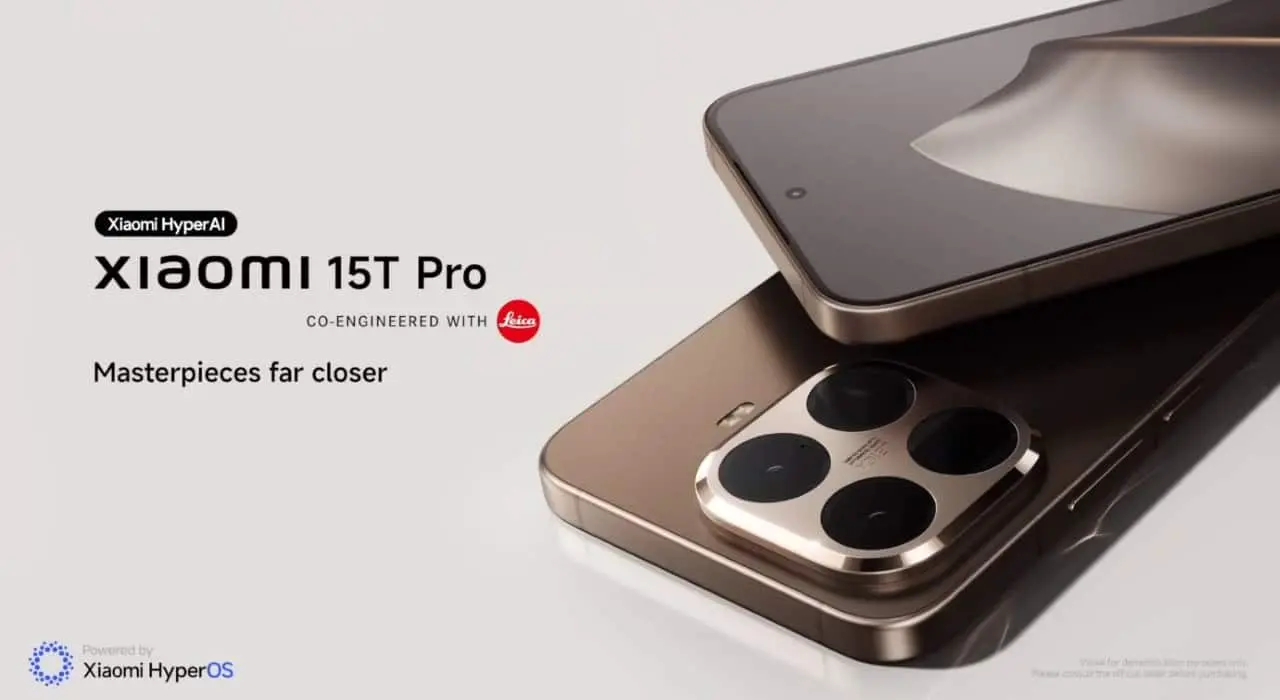
The camera configuration includes a 32 MP front sensor and a rear trio with 50 MP, 50 MP and 12 MP lenses. The device supports 5G connection, Wi-Fi 6E, Bluetooth 6, stereo sound and NFC for contactless payments. The 67 W charging in the box takes the device from zero to 100% in just over an hour and a half, a process that occurs steadily without drastic reductions in the final stages.
Metodologia rigorous autonomy test
Battery assessment follows a strict protocol with running common applications in repeated cycles until complete depletion. Standby Intervalos monitors consumption in the background, while screen brightness and networks remain standardized to enable direct comparisons with other models. The procedure covers voice calls on mobile networks and the use of maps to complete the daily consumption profile.
More on this story: OnePlus Nord 6 withstands three hours of heavy gaming with 61% battery
See Also

In the NFL preseason, Cardinals rookie shines in debut against Fernando Mendoza

Red panda: Hertfordshire zoo celebrates birth of twins after 12 years

Petunia wins title of Ugliest Dog in the World in traditional competition in California
Essa approach allows identifying hardware energy efficiency and optimization of HyperOS 2 software, based on Android 15. The Xiaomi 15T completed 21 entire cycles before shutting down, distributing consumption evenly between simulated activities.
Aplicativos and time distribution in cycles
- 6 minutes for WhatsApp, YouTube, MX Player in offline video, Spotify, PowerAmp in offline music and Chrome.
- 1 minute for Pokémon Go, Asphalt 8, Subway Surfers, Candy Crush, Modern Combat 5 and Injustice.
- 4 minutes of calls on 3G or 4G.
- 2 minutes for Facebook, Gmail and Google Maps.
Essa distribution prioritizes activities that consume the most energy in daily routines. Entre the highlights, 630 minutes were dedicated to WhatsApp, Spotify, PowerAmp, MX Player and YouTube, with 126 minutes for each. Jogos consumed 126 minutes in total, while Facebook, Gmail and Google Maps totaled 42 minutes each. Chamadas of voice occupied 84 minutes via mobile networks and navigation on Chrome totaled 126 minutes throughout the cycles.
Desempenho compared to direct competitors
Vários recent devices surpass the Xiaomi 15T in autonomy thanks to batteries of 6,000 mAh or more. Exemplos include lines like POCO, realme and Motorola, which prioritize larger tanks in similar price ranges. The increase in capacity at competitors raises market expectations. Competitive Modelos already offer higher charging powers, further reducing time spent at the socket compared to the 67 W of the Xiaomi 15T.
Learn more: Galaxy S26 Ultra outperforms iPhone 17 Pro Max in battery life test
Posicionamento and Brazilian market expectations
The Xiaomi 15T competes in a high price range, close to traditional flagships, with prices starting at R$3,406 in analyzed configurations. The proposal combines robust hardware with a competitive price, reinforcing the brand’s presence in intermediate premium segments. Usuários seeks a balance between performance, cameras and autonomy at this level, and the Xiaomi 15T maintains a respectable brand, but does not lead the segment in extended duration.