Hurricane Melissa causes 25 deaths in Haiti and advances to Cuba after devastating Jamaica with 295 km/h winds
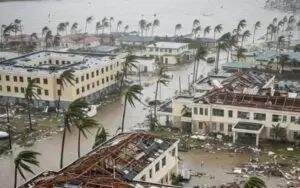
Hurricane Melissa struck the northern Caribbean on Wednesday, October 29, 2025, after causing destruction in Jamaica and severe flooding in Haiti. The storm, classified as category 5 on the Saffir-Simpson scale, recorded sustained winds of 295 km/h upon landfall on Jamaica’s southwest coast on Tuesday. Haitian authorities confirm at least 25 deaths, mainly in flooded areas, raising the Caribbean’s total victims to nearly 30.
Melissa’s indirect passage through Haiti triggered river overflows and displaced over 12 thousand people to emergency shelters. In Jamaica, the phenomenon isolated rural communities and left 77% of the island without electricity. Cuba evacuated 735 thousand residents before the impact in Santiago province, where 195 km/h winds toppled trees and damaged infrastructure.
Storm trajectory in the Caribbean
The U.S. National Hurricane Center monitored Melissa since its formation over the weekend, when it rapidly evolved from a tropical depression to category 5 in less than 48 hours. Intensification occurred due to above-average ocean waters, prolonging the destruction period.
After Jamaica, the storm weakened to category 3 upon entering Cuba during early Wednesday, but maintained torrential rains affecting the island’s east.
- Maximum winds: 295 km/h in Jamaica, dropping to 193 km/h in Cuba.
- Minimum pressure: 892 millibars, third lowest recorded in the Caribbean.
- Movement: Slow, which amplified flooding in coastal areas.
Experts classify Melissa as the third most intense hurricane in the region’s history, surpassing previous events in strengthening speed.
Cobertura completa: Central America
Deaths and floods in Haiti
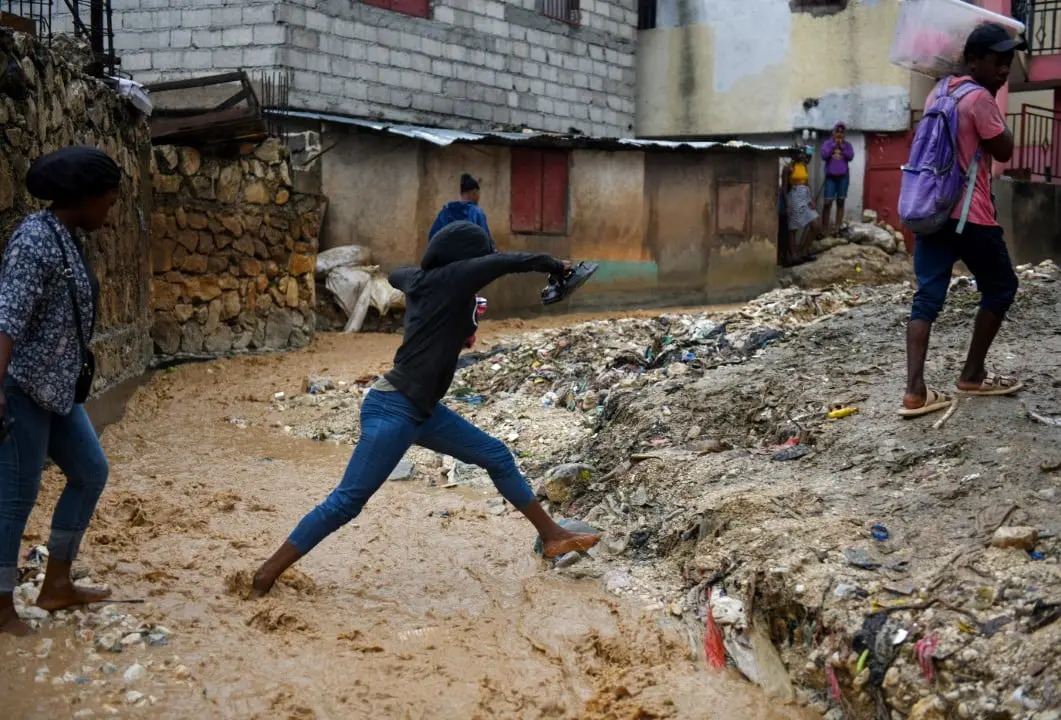
Haiti’s disaster management agency reported 25 fatalities, focused in Petit-Goâve, a city 64 km from the capital Port-au-Prince. A local river overflowed, flooding over a thousand homes and leaving 12 people missing.
Ten of the victims were children, hit by sudden floods that destroyed makeshift camps. The country’s gang conflict, which has already displaced 1.3 million individuals, worsened the affected populations’ vulnerability.
Emergency supplies were slow to arrive, forcing residents to improvise shelters in schools and churches.
Saiba mais: Hurricane Melissa hits Jamaica as Category 5 and leaves trail of destruction before Cuba
The Haitian government ordered closures of schools and businesses on Wednesday to prioritize rescues.
Damage in Jamaica and recovery efforts
Jamaica suffered Melissa’s direct impact as the strongest hurricane in its history, with winds ripping off roofs and downing power poles. Four bodies were found in the agricultural county of St. Elizabeth, where floods unearthed the remains.
Prime Minister Andrew Holness visited Black River Hospital, the only public center in the region, where staff reported nights working by lantern due to power outages.
- Over 25 thousand people in emergency shelters.
- Economic damages estimated at US$ 22 billion by AccuWeather.
- Reconstruction may take a decade, according to analysts.
Kingston’s airport partially reopened on Thursday for relief flights, but 25 thousand international tourists remain isolated.
Minister Desmond McKenzie emphasized that no shelter request would be denied, while teams cleared roads blocked by debris.
Mass evacuations in Cuba
Cuba activated emergency protocols before Melissa’s arrival, evacuating 735 thousand people from eastern provinces. The storm made landfall in Guamá, 40 km west of Santiago de Cuba, isolating 241 rural communities without communication.
Mais sobre o assunto: Hurricane Melissa registers a gust of 405 km/h and breaks the world record for wind in a cyclone
Veja Também

Terremoto de magnitude 5,5 atinge o Peru e deixa vítimas e desabrigados na região central

Celebrity race across central america concludes 3,500-mile journey crowning new champions for 2025 season

Huracán Melissa causa 25 muertes en Haití y avanza hacia Cuba tras devastar Jamaica con vientos de 295 km/h
President Miguel Díaz-Canel warned of ongoing rain risks, which triggered landslides in mountainous areas. No deaths have been confirmed on the island so far, but crop damage in winter planting threatens food security.
Energy infrastructure faced interruptions, leaving regions without power for hours. Rescue teams prioritized restoring transmission lines.
Cuba faces pre-existing shortages of fuel and medicine, complicating aid distribution.
Alerts in the Bahamas and nearby islands
Melissa, downgraded to category 1 on Thursday, advances northeast toward the Bahamas, where 1,500 people were evacuated in one of the archipelago’s largest operations. Winds of 150 km/h and intense rains threaten flooding in low-lying islands.
No mesmo tema: Tropical Storm Melissa may become a hurricane, threatening Caribbean with heavy rains
Residents of Turks and Caicos take shelter, while in Bermuda, 1,440 km away, preparations include reinforcing coastal structures. The Bahamian government classified the evacuation as a priority to avoid human losses.
Forecasts indicate the storm will lose strength over land, but moisture remnants will persist until week’s end.
Regional authorities coordinate with international agencies to monitor displacement.
International aid actions
Neighboring countries and global organizations mobilized resources for areas affected by Melissa. U.S. rescue teams arrive in Jamaica to assess critical infrastructure damage.
The Caribbean Community issued a solidarity note, highlighting the need for rapid recovery funds. Food and medical equipment donations flow to Haiti via the Dominican Republic.
Local governments prioritize reopening supply routes, focusing on isolated communities.
Cuba receives technical support from allied nations for electrical grid repairs.
Storm intensification factors
Caribbean warming, with record sea temperatures, accelerated Melissa’s strengthening, according to National Oceanic and Atmospheric Administration data. This pattern repeats recent regional events, with hurricanes gaining strength in short intervals.
Mais sobre o assunto: Ang Hurricane Melissa ay nagrerehistro ng isang gust na 405 km/h at sinira ang record ng mundo para sa hangin sa isang bagyo
The storm’s slow movement prolonged exposure to winds and rains, raising precipitation volumes up to 500 mm in some areas.
- Surface waters: 1-2°C above seasonal average.
- Rapid intensification: From category 1 to 5 in 36 hours.
- Historical comparison: Surpasses Hurricane Gilbert of 1988 in speed.
Experts monitor similar patterns for future season alerts.