A high-profile tennis exhibition ignites debate, featuring Aryna Sabalenka and Nick Kyrgios in Dubai this January Por Luís Pereira
5 min de leitura
 |
A high-profile tennis exhibition ignites debate, featuring Aryna Sabalenka and Nick Kyrgios in Dubai this January
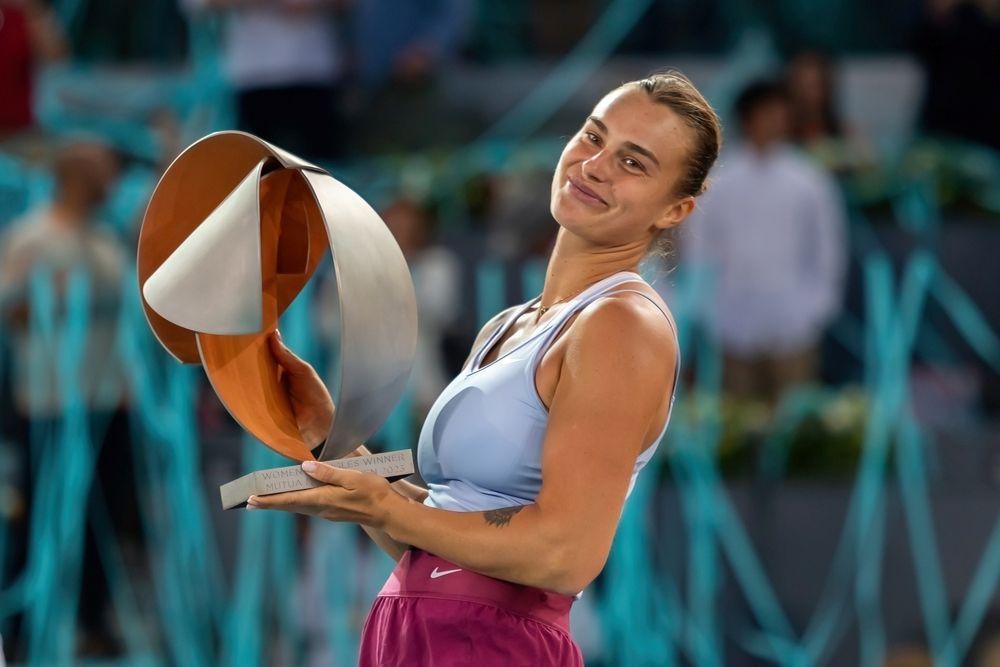
The highly anticipated ‘Battle of the Sexes’ exhibition between Aryna Sabalenka and Nick Kyrgios took place this Sunday, January 28, 2025, at 1:00 PM Brasília time (11:00 AM ET). This controversial tennis spectacle unfolded at Dubai’s Coca Cola Arena, drawing immediate global attention.
Siga o Mix Vale no Google e veja nossas notícias primeiro
From its announcement, the event generated fierce debate, dividing critics and fans. Many experts voiced concerns that such an exhibition could undermine women’s tennis, trivializing decades of equality advancements.
Broadcast exclusively on CazéTV’s YouTube channel, the contest was globally accessible. Adding to the pre-match buzz, controversial Nick Kyrgios made provocative remarks, further inflaming discussions about the event’s nature.
The contentious exhibition rules detailed
Organizers implemented significant rule modifications for a more balanced display, acknowledging inherent physical differences between male and female players. Aryna Sabalenka, WTA World No. 1, played on a court side reduced by 9% in area, designed to mitigate power differentials.
A critical deviation from standard tennis rules restricted both players to only one serve per point throughout the match. This change aimed to neutralize dominant serves, fostering longer rallies and more strategic exchanges for spectators.
Match format and historical echoes
The exhibition match followed a best-of-three sets format, a common standard in professional tennis. If extended to a decisive third set, a ten-point super tie-break guaranteed a swift and dramatic resolution to the high-stakes encounter.
This contemporary ‘Battle of the Sexes’ inevitably draws comparisons to the iconic 1973 encounter between Billie Jean King and Bobby Riggs, a watershed moment for gender equality in sports. This historical context adds significance, prompting reflections on the sport’s progress and persistent challenges.
Kyrgios’s comments spark heated discussions
Nick Kyrgios, known for unfiltered opinions and controversial behavior, fueled the exhibition’s polarizing narrative with dismissive comments regarding his opponent’s capabilities. On Alexander Bublik’s podcast, Kyrgios openly doubted Sabalenka’s chances of winning.
He stated, “She has a great personality and is a great tennis player. She believes she will win. She won’t defeat me. Do you think I have to give 100%? Women can’t return our serves,” comments that drew widespread condemnation for their perceived arrogance.
These remarks challenged Sabalenka’s individual skill, who commands the WTA’s top spot, and reignited broader debates about male athletes’ perceptions of female counterparts. Sabalenka’s consistent high-level performance speaks volumes about her talent.
Despite past success, including a Wimbledon final, Kyrgios gained notoriety more for off-court controversies and on-court outbursts than consistent victories. His participation and statements cemented his reputation as one of tennis’s most outspoken and divisive figures.
Critics’ concerns over women’s tennis
The backlash highlights persistent anxieties within the tennis world regarding gender representation and equality. Many critics argue that events juxtaposing male and female players, especially with modified rules, risk trivializing women’s athletic achievements and undermining the WTA Tour’s integrity.
Concerns were raised that presenting tennis through a “battle of the sexes” lens could inadvertently set back decades of advocacy for women’s tennis. Advocates fear such exhibitions divert attention from the women’s game as a standalone, elite competition.
In contrast, Aryna Sabalenka herself viewed the exhibition as a potential “vitrine” for women’s tennis, an opportunity to showcase female athleticism and competitive spirit. Her perspective suggested high-profile events could generate greater interest for the women’s professional tour.
The original “Battle of the Sexes” legacy
The historical precedent for these gender-based tennis spectacles is deeply rooted in the iconic 1973 “Battle of the Sexes” between Billie Jean King and Bobby Riggs. That event transcended a mere tennis match, evolving into a profound cultural statement on gender roles and equality in sports. King, a relentless champion for women’s rights and equality within professional tennis, delivered a triumphant victory over the boastful former men’s champion Riggs. Her win, witnessed by an unprecedented global audience, symbolized a critical turning point, validating the athleticism and competitive viability of female athletes and fueling the nascent women’s professional circuit. King’s subsequent efforts to establish and bolster the Women’s Tennis Association (WTA) cemented her legacy as a transformative figure, fundamentally altering the landscape for women in professional sports. This historical context provides a crucial backdrop, inviting comparisons and evaluations of how modern exhibitions uphold or diverge from the spirit of that groundbreaking encounter.
Player stances and public perception
Partaking in an exhibition garnering intense scrutiny inevitably shapes athletes’ public persona and career narrative. For Nick Kyrgios, the ‘Battle of the Sexes’ is another chapter in a career often defined by spectacle and controversy, his volatile personality frequently overshadowing formidable tennis skills. His provocative statements and engagement reinforce his image as a non-conformist, consistently drawing significant media attention.
For Aryna Sabalenka, the reigning World No. 1, her involvement carries different implications, particularly regarding her role as a leading figure in women’s tennis. While she articulated a vision of the event as a positive platform, navigating the controversy requires careful management to ensure her participation aligns with gender equity. The balance between personal brand and professional responsibility remains delicate.
Future of gender-themed tennis events
The recurring fascination with “Battle of the Sexes” exhibitions highlights a complex interplay between athletic competition and commercial entertainment. While capturing significant public interest, their long-term impact on tennis’s progressive values and structural equality remains debatable. The sport continues to weigh increased viewership against potential risks to gender equity advancements.
Aryna Sabalenka, Nick Kyrgios, Battle of the Sexes, tennis exhibition, Dubai tennis, Sabalenka Kyrgios Dubai exhibition rules controversy