Brazil’s central bank sets strict access rules for federal auditors probing Banco Master liquidation Por Luís Pereira
5 min de leitura
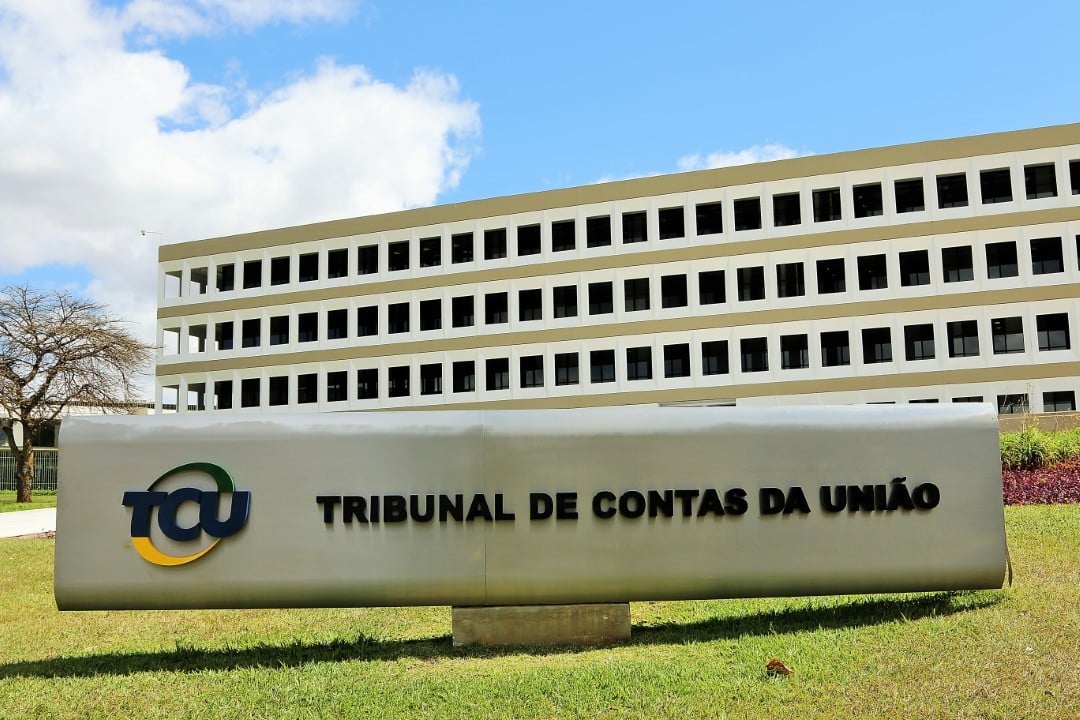 |
Brazil’s Central Bank (BC) has imposed stringent conditions on the Federal Court of Accounts (TCU) for accessing confidential documents related to its investigation into Banco Master. These measures aim to safeguard banking and business secrecy during the TCU’s inspection, which seeks to clarify the process leading to the bank’s extrajudicial liquidation. The liquidation, decreed by the monetary authority in November 2024, is now under intense scrutiny from the audit court.
The imposed rules are comprehensive, establishing a controlled environment for the TCU’s technical staff. They include strict management of credentials and access profiles, detailed logging and traceability of all consultations, and mandating on-site review or access via a secure electronic repository, prohibiting unauthorized reproduction. Furthermore, technicians may be required to sign a confidentiality agreement when deemed appropriate, reinforcing the gravity of information security.
Siga o Mix Vale no Google e veja nossas notícias primeiro
TCU’s Scrutiny into Banco Master’s Liquidation Process
The TCU initiated an inspection into the Central Bank’s decision-making process that culminated in the extrajudicial liquidation of Banco Master. This move by the external control body seeks to meticulously examine the technical and legal foundations underpinning the BC’s actions in what was described as a “grave crisis of liquidity” and “grave violations” of financial system norms.
In late 2024, Minister Jhonatan de Jesus of the TCU mandated the Central Bank to present the technical and legal justifications for its decision to liquidate Banco Master. The BC provided its detailed response on December 29, 2024, setting the stage for the current inspection and the ongoing dialogue between the two key financial oversight institutions.
Minister Jhonatan de Jesus’s Categorization of the Measure
In a dispatch issued on Monday, January 5, 2025, Minister Jhonatan de Jesus characterized the liquidation as an “extreme measure.” He highlighted the presence of indicators suggesting an atypical chronology in the decision-making process that ultimately led to the intervention.
Preliminary assessments suggest that the Central Bank’s conduct might have exhibited a significant delay in guiding and resolving market alternatives, contrasted with an apparent haste in adopting the extreme liquidation measure. This dual perception forms the crux of the minister’s concerns and fuels the need for a thorough inspection.
The minister is currently seeking clarification on five principal aspects:
* The temporal evolution of alerts and supervision measures in response to signs of Banco Master’s deterioration, including prudential escalation and responses to non-compliance.
* The handling of market alternatives and the prospect of an “organized exit,” potentially involving the Credit Guarantee Fund (FGC).
* The consistency and completeness of evaluations concerning potential acquirers and corporate reorganizations.
* The internal governance of the decision-making process, including any alternative technical positions or significant reservations within the decisional flow.
* The technical and equitable examination of subsequent proposals presented within a critical time window before liquidation.
Safeguarding Confidentiality Under Strict Protocols
The Central Bank’s conditions are designed to meticulously protect sensitive financial data while allowing the TCU to perform its oversight duties. By implementing controlled access and traceability, the BC ensures that the scrutiny over Banco Master is conducted without compromising the integrity of proprietary information or the broader stability of the financial system. These protocols represent a delicate balance between transparency in public administration and the imperative of maintaining the confidentiality of banking operations.
Scope and Authority of the TCU’s Inspection Activities
The TCU’s inspection is a specific supervisory instrument, distinct from a full audit, deployed to address information gaps, clarify doubts, and resolve specific issues identified during broader control activities. This mechanism serves as an auxiliary tool, linked to an ongoing control action, and possesses a more limited scope, focusing precisely on the points requiring clarification. It underscores the TCU’s role not to usurp the BC’s technical judgment on liquidation but to verify the proper conduct and procedural integrity of the decision-making.
Potential Cautelary Measures and Public Interest
Minister Jhonatan de Jesus explicitly stated that the adoption of a cautelary measure against the Central Bank remains a possibility. Such a measure would be considered if the decisions made during the liquidation process risk compromising the ongoing investigation or leading to “irreversible damages.” This approach emphasizes the TCU’s commitment to ensuring accountability and preventing adverse outcomes, without intending to replace the BC’s technical assessment.
Genesis of the Investigation: MP’s Request
The decision to launch this comprehensive inspection stems from a formal request made by the Public Prosecutor’s Office alongside the TCU. The MP called upon the Court to assess whether there were any failures or acts of negligence on the part of the Central Bank in its roles of fiscalizing and supervising Banco Master and its various subsidiaries. This request highlights the broader public interest in understanding the regulatory oversight preceding the financial institution’s collapse.
The Central Bank had previously cited a “grave crisis of liquidity” and “grave violations” of financial system regulations as the primary motivations for declaring Banco Master’s liquidation in November 2024. The TCU’s current inspection delves into the specifics of these claims and the subsequent regulatory response, ensuring that all actions taken were appropriate and well-founded. The focus remains on strengthening trust in Brazil’s financial supervision mechanisms.