C6 Bank CEO’s bid to sidestep congressional inquiry over questionable loan practices in 2025 rejected by Supreme Court Por Luís Pereira
5 min de leitura
|
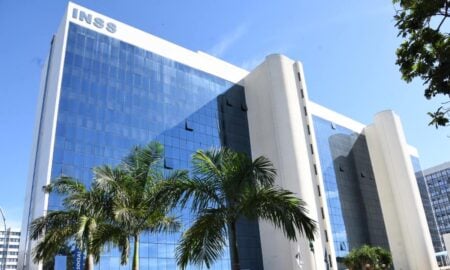
In a significant legal development this week, Artur Ildefonso de Brotto Azevedo, the Chief Executive Officer of C6 Bank, saw his attempt to avoid testifying before the Congressional Investigative Committee (CPMI) scrutinizing the INSS system firmly denied. The ruling came from Supreme Federal Court Justice André Mendonça on Wednesday, January 18, 2025, paving the way for Azevedo’s mandatory appearance. The hearing, scheduled for this Thursday, January 19, 2025, aims to clarify the bank’s role in the controversial issuance of consigned loans, which have become a central focus of the ongoing investigation into alleged financial misconduct and consumer grievances.
The CPMI is specifically targeting financial institutions with a high volume of customer complaints regarding these credit operations. The probe delves into potential irregularities within the consigned loan sector, seeking to uncover practices that may have harmed retirees and pensioners.
Siga o Mix Vale no Google e veja nossas notícias primeiro
Azevedo’s defense had petitioned the Supreme Court to suspend the obligation for him to appear. They argued that due to numerous negative mentions of both his name and C6 Bank throughout previous committee sessions, he should be afforded the status of an investigated party rather than merely a witness, which would grant him broader legal protections.
Inquiry into lending practices intensifies
The parliamentary inquiry has been actively investigating the credit landscape surrounding the National Social Security Institute (INSS), with a particular emphasis on the mechanisms and consequences of consigned loans. These loans, directly deducted from pension benefits, have come under scrutiny following a surge in consumer complaints and allegations of predatory practices.
The committee’s mandate extends to financial entities identified as having a disproportionate number of grievances from beneficiaries. Its goal is to unearth systemic failures or deliberate actions that led to financial detriment for vulnerable populations, thereby seeking accountability and proposing regulatory reforms.
CEO’s defense strategy dismissed
Legal counsel for the C6 Bank CEO contended that the frequent and often critical mentions of Azevedo and the institution during CPMI proceedings had effectively altered his standing. They asserted that the repeated criticisms and accusations leveled against the bank warranted his classification as an investigated individual, thereby justifying his request to be excused from mandatory testimony.
The petition highlighted that C6 Bank had been cited recurrently, with congress members issuing sharp criticisms and explicit accusations regarding its operational methods. This sustained negative portrayal, according to the defense, created an environment where Azevedo could not be expected to testify solely as a witness without potential self-incrimination.
Supreme Court upholds testimony mandate
Justice Mendonça, however, rejected the defense’s arguments on Wednesday, January 18, 2025. He concluded that the criticisms cited in the petition were predominantly generic and lacked the specificity required to alter Azevedo’s status from a witness to an investigated party. The minister noted that the public statements were not directed specifically at the executive.
Mendonça’s decision underscored that the reproduced comments in the appeal constituted broad remarks by congresspersons concerning the non-appearance of various summoned individuals, the substantial sums allegedly diverted from retirees, and general pejorative references to bankers. He stated that these generalized statements could not be directly and specifically tied to Azevedo as an individual, thus failing to substantiate the claim for a change in his legal standing before the committee.
The minister firmly mandated that Azevedo’s appearance remains obligatory. Crucially, he affirmed that this requirement must not infringe upon the right against self-incrimination, guaranteeing the CEO the right to remain silent when faced with questions that could potentially incriminate him. Furthermore, the ruling strictly prohibited any form of physical or moral coercion during his testimony.
INSS halts new C6 Bank consignments
In a separate but related development earlier this week, on Tuesday, January 17, 2025, the National Social Security Institute (INSS) announced a suspension of new consigned loan operations by C6 Bank. This decisive action followed an investigation by the Comptroller General of the Union (CGU), which identified significant irregularities in the bank’s lending practices.
The CGU’s findings prompted the INSS to demand that C6 Bank refund an estimated R$300 million to affected beneficiaries. This suspension of new operations will remain in effect until the improperly charged amounts are fully restituted and appropriately adjusted for inflation and other corrections.
Irregularities in loan contracts exposed
The INSS highlighted the existence of at least 320,000 contracts with clear indications of additional charges. These charges were primarily linked to the inclusion of insurance policies and various service packages within the loan agreements.
Such supplementary costs had the direct effect of significantly reducing the net amount of funds actually made available to the beneficiaries. This practice not only diminished the intended financial support for retirees but also raised serious questions about transparency and fairness in C6 Bank’s consigned loan offerings.