Argentina reveals new species of giant 20-meter long-necked dinosaur
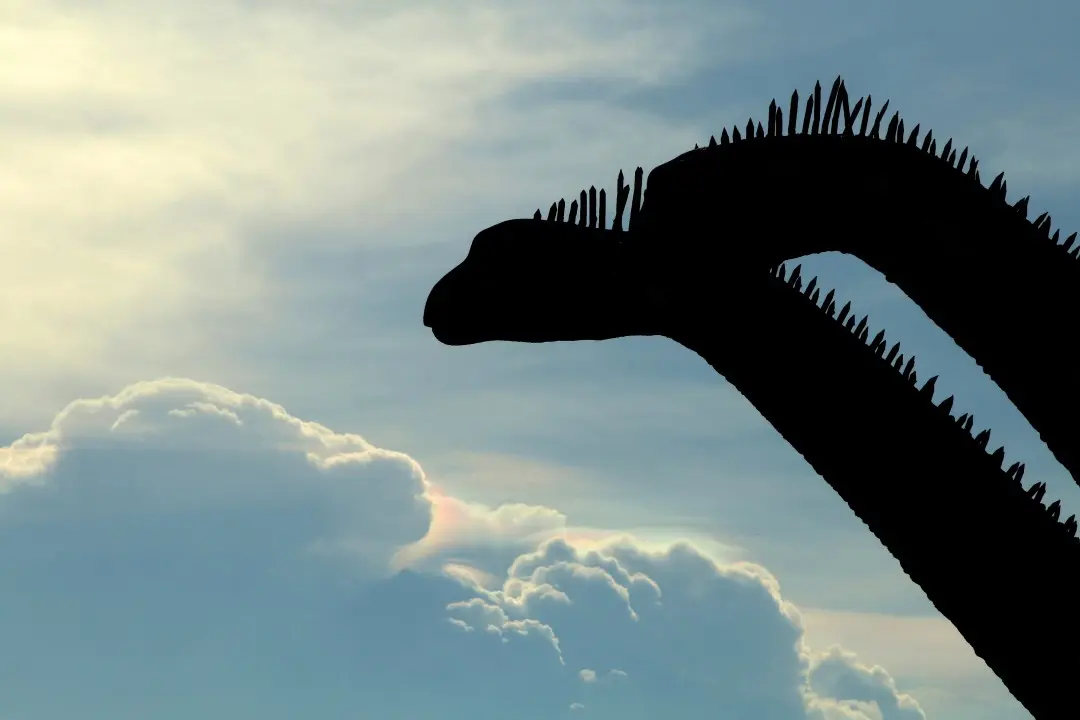
An international team of paleontologists, led by researchers from the Ludwig-Maximilians University of Munich, has identified a new genus and species of macronarian sauropod dinosaur in Argentina, from fossils found on an isolated rural property. This newly discovered sauropod inhabited the southern supercontinent Gondwana approximately 157 million years ago, during the final phase of the Jurassic period.
Named Bicharracosaurus dionoidei, the dinosaur measured about 20 meters in length.
Understanding giant sauropods and their evolution
The study’s lead author, Alexandra Reutter, a doctoral candidate at the Ludwig-Maximilians University of Munich, and her colleagues explained that “sauropods constitute one of the most important lineages of dinosaurs, being one of the most relevant groups of herbivorous vertebrates of the Mesozoic period.” They added that “these dinosaurs appeared at the end of the Triassic and persisted until the end of the Cretaceous period.”
According to the research, “the group had great taxonomic diversity and included the largest land animals that ever existed.” The researchers further detailed that, “within the Sauropoda group, several early branching clades, which thrived in the Jurassic, were gradually replaced by the Neosauropoda derived at the end of that period.” Reutter and his team noted that “the Neosauropoda split early in their evolution into two major clades, the Diplodocoidea and the Macronaria, and although this subdivision has been accepted since the 1990s, there is still debate about the classification of many taxa, especially those from the Jurassic, into these subclades or the Neosauropoda in general.”
Full coverage: Latest News (EN)
How the discovery of the fossil was made in Argentina
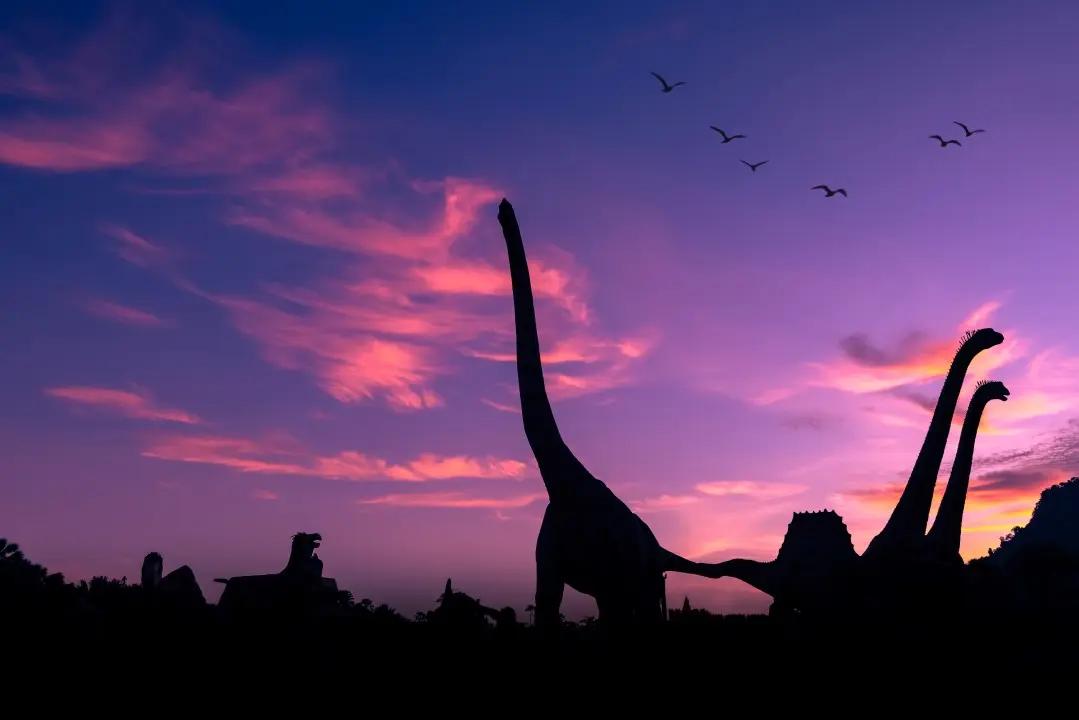
The fossilized fragments of Bicharracosaurus dionidei, which included parts of the spine, ribs and hips, were presented to paleontologists by farmer Dionide Mesa in March 2001. The excavation site is located in the Cañadón Calcáreo Formation, which is found in the north-central portion of the province of Chubut, in Argentina.
For a long period, researchers predominantly used fossils found in North America, Europe and other regions of the northern hemisphere to trace the evolution of Neosauropoda. The Cañadón Limestone Formation, where the finds were made, and the Tendaguru Formation, in Tanzania, are rare examples of deposits in Gondwana from that period that hold multiple sauropod skeletons.
See Also

Plane trip turns into uproar after passenger mistakes plush for feline on board

MrBeast reaches half a billion subscribers on YouTube and reinforces dominance in content creation

International Left-Handed Day: learn about the challenges and advantages of living in a world for left-handers
Professor Oliver Rauhut, senior paleontologist at Bayerische Staatssammlung für Paläontologie und Geologie and Ludwig-Maximilians-Universität München, explained that “for a long time, there was only a single relevant site on the southern continents, located in Tanzania.” Professor Rauhut added that “the fossil site in the Argentine province of Chubut, from which Bicharracosaurus dionoidei came, offers essential comparative material, enabling the continual complementation and reassessment of our understanding of the evolutionary history of these animals, especially in the southern hemisphere.”
Follow: all about paleontology
Classification and kinship reveal surprises in the Jurassic
The fossils of Bicharracosaurus dionoidei indicate that it was a member of the Macronaria group, which included giant herbivores and later gave rise to dinosaurs such as Brachiosaurus. However, the anatomical structure of the new dinosaur shows notable similarities with the Diplodocidae, a distinct branch of sauropods that includes the famous Diplodocus.
In order to establish the animal’s position in the dinosaur evolutionary tree, scientists analyzed its relationships using two different sets of phylogenetic data. Most analyzes placed Bicharracosaurus dionidei in the Macronaria clade, and some investigations pointed to affinities with Brachiosauridae, a lineage that encompasses both Brachiosaurus and African Giraffatitan.
Reutter stated that “our phylogenetic analyzes of the skeleton show that Bicharracosaurus dionoidei was related to the Brachiosauridae, which would establish it as the first Jurassic-period Brachiosauridae found in South America.” The team released the research article online in the journal PeerJ.