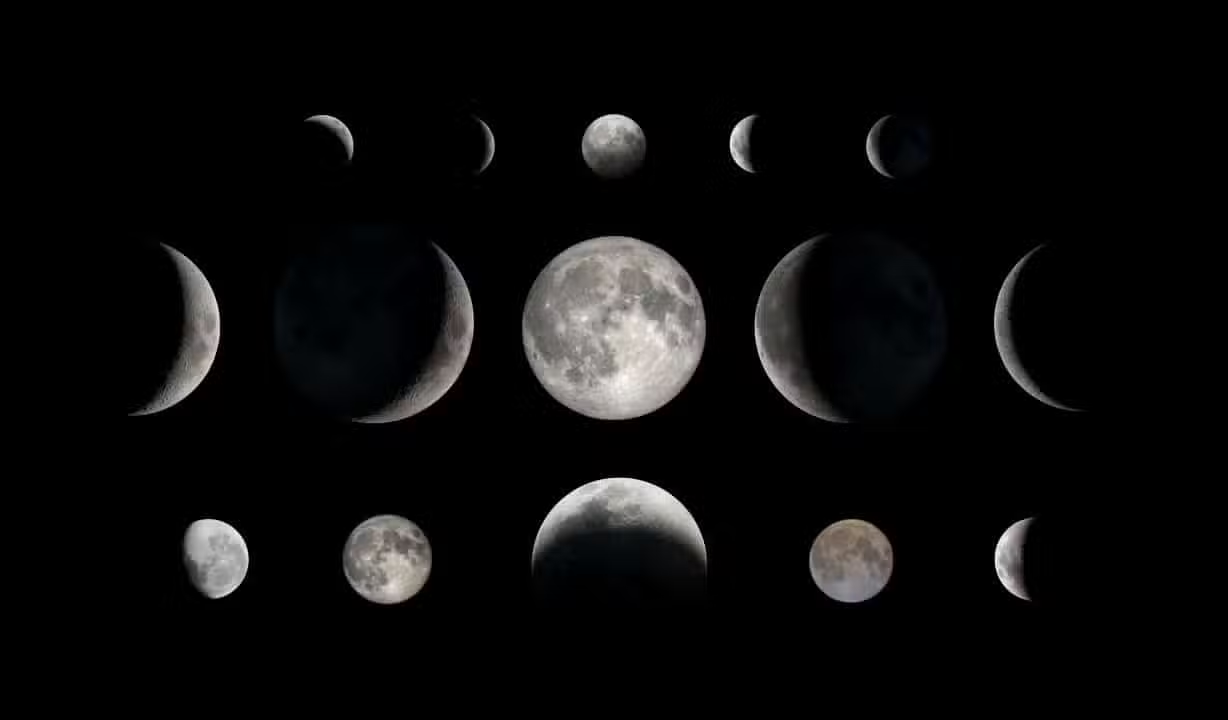
Biggest Supermoon of 2025 occurs this Wednesday (5) throughout Brazilian territory. The satellite reaches perigee nine hours after the full phase, resulting in an appearance 7.9% larger and 16% brighter than a typical moon. The phenomenon arises from the Moon’s elliptical orbit, which varies in distance from Earth between 356 thousand and 406 thousand kilometers.
Astronomers highlight that maximum proximity allows for higher tides. Ideal observation takes place at dusk, close to the horizon, where atmospheric refraction intensifies the visual size. This is the second Supermoon of 2025, after the one in October.
- Distance at perigee: approximately 356 thousand km;
- Difference for apogee: approximately 50 thousand km;
- Increased brightness: 16% compared to average;
- Time of the full phase: evening of November 5th.
Elliptical orbit explains variation
The Moon’s trajectory around the Earth follows an oval shape. At perigee, the closest point, the satellite accelerates and reduces distance. This configuration aligns with the full phase in November.
Experts from the Brazilian Meteor Observation Network monitor the event. The definition of a Supermoon requires a coincidence between the full moon and its near perigee. Platforms like InTheSky.org confirm the exact time.
Effects on the planet and tides
Greater proximity influences gravitational forces. Coastal regions recordsm highest elevation in sea level. NASA relates peak tides to perigee, regardless of lunar phase.
Observatories record data in real time. Coastal cities prepare alerts for variations. The extra brightness facilitates visibility without special equipment.
Best vantage points
Elevated locations offer a clear view of the horizon. Urban parks and beaches reduce light pollution. Astronomy apps indicate precise times by region.
- Avoid areas with intense artificial lights;
- Use binoculars for surface details;
- Record the moonrise to sunset.
Traditional names of full moons
Native American cultures assign monthly assignments. November is given the title Beaver Moon, referring to the preparation of beavers for winter. The Old Farmer’s Almanac lists all appellations for 2025.
November’s Supermoon is part of a sequence of three similar events at the end of the year. October had Harvest Moon as a Supermoon. December ends with Cold Moon in the same pattern.
Photographic recording and tips
Photog November 5th marks the closest annual approach. The satellite appears orange due to the atmosphere. Zoom cameras capture the optical illusion effect near monuments.
Professionals recommend tripods for stability. Long exposures bring out the brightness. Networks of amateur astronomers share images in real time.
Streak of Remaining Supermoons
2025 has four Supermoons in total. After November, December presents the last one. The average distance at perigee varies slightly with each cycle.
- November: Beaver Moon;
- December: Cold Moon;
- Extra medium brightness: up to 30% in ideal conditions;
- Apparent size: noticeable variation in comparisons.
Popular astronomy benefits from events visible to the naked eye. Local clubs organize public vigils. The phenomenon reinforces interest in space sciences in schools.