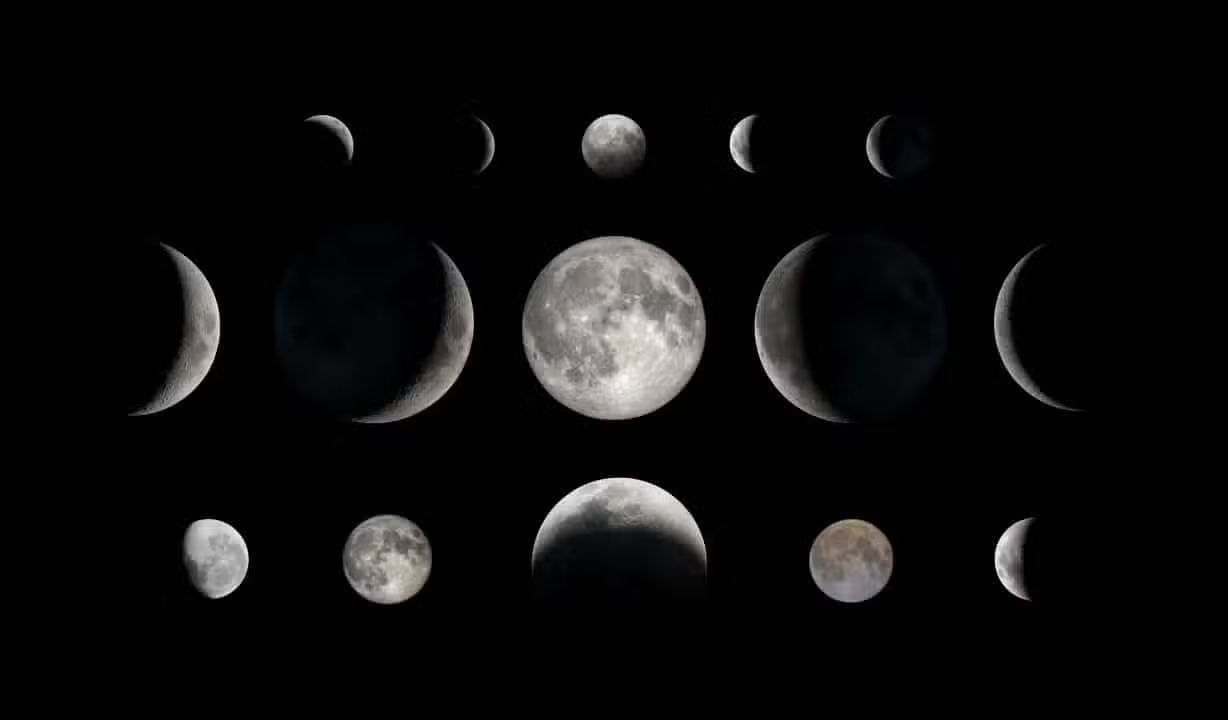
The phenomenon occurs when the natural satellite is at perigee, approximately 356,980 kilometers from Earth, appearing up to 14% larger and 30% brighter than usual.
This Full Moon coincides with the peak of the South Taurid meteor shower, active between November 4th and 5th, originating from fragments of comet 2P/Encke.
- Visibility covers the entire Brazilian territory with the naked eye, preferably after sunset in places with little light pollution.
- Lunar glow can outshine fainter meteors, but fireballs remain detectable.

Origin of traditional names
The name Beaver Moon refers to North American indigenous traditions, associated with the period in which beavers build dams and store food for the winter in the Northern Hemisphere.
Other cultures adopt terms such as Frost Moon, by the Cree, or Digging Moon, by the Tlingit.
In the Southern Hemisphere, the event maintains its nickname, although the season is opposite.
This supermoon is the second in a sequence of three in 2025, standing out for its maximum orbital proximity of the year.
The South Taurids produce an average of five meteors per hour, but 2025 sees a swarm year, with denser debris from comet Encke.
These fragments generate slow, bright fireballs, visible in both hemispheres.
The radiant is located in the constellation of Taurus, favoring observations in the Northern Hemisphere, but accessible in Brazil in clear skies.
The overlap with the Northern Taurids increases the chances of intense sightings until mid-November.
Tips for practical observation
Choose areas away from artificial lights and tall buildings to maximize visibility.
The best period begins after dusk and extends until before the Moon’s highest point.
No special equipment is required, although binoculars will highlight lunar details such as craters.
- Look eastward after moonrise, around 5pm across much of the country.
- Monitor local weather conditions via Inmet applications.
- Record fireballs on networks like the American Meteor Society for scientific contributions.
Complementary astronomical events
Planets such as Venus, Mars and Jupiter remain visible simultaneously to the supermoon on clear nights.
The Pleiades cluster forms an alignment close to the Moon on the night of November 6.
Subsequent rains include the Northern Taurids, peaking on November 11 and 12.
The Leonids reach their maximum on November 16th and 17th, with up to 15 meteors per hour in ideal conditions.
Characteristics of Comet Encke
Comet 2P/Encke completes orbit in just 3.3 years, the shortest period known among comets.
Its debris forms the Taurids, responsible for historic fireballs during Halloween periods.
In 2025, encounters with fresh material increase the frequency of bright meteors.
These events occur annually, but swarm years like this amplify the spectacle.
Upcoming meteor showers
- Northern Taurids: peak on November 11-12, average of five per hour.
- Leonids: maximum on November 16-17, originating from comet Tempel-Tuttle.
- Geminids: peak on December 13-14, up to 120 meteors per hour.
- Ursids: peak on December 21-22, visible in the Northern Hemisphere.
The Beaver supermoon ends the 2025 supermoon series, with the next one in December marked as a Cold Moon.