The Leonidas meteor shower, one of the best-known of the year, reaches its peak of activity in the early hours of November 18, 2025. The phenomenon will be visible throughout the Brazilian territory, especially in places with little light pollution. The absence of the Moon during its peak hours makes 2025 one of the years with the best observation conditions in the last decade.
The maximum is predicted for the early hours of Tuesday, between 1am and 4am Brasília time. Experts highlight that the dark sky will favor the viewing of even weaker meteors. In addition to the Leonidas, the Southern Taurids also remain active, increasing the chances of records throughout the night.

When and where to look
The Leonid radiant, the point from which meteors appear to emerge, is in the constellation Leo and only appears in the sky after midnight. From 2 am the radiant is already high in the east, making it easier to observe in any wide direction in the sky.
It is not necessary to look exactly at Leo. Meteors can cross any region of the celestial vault. The ideal is to choose places away from artificial lights and lie down to cover as much area as possible.
Favorable conditions in 2025
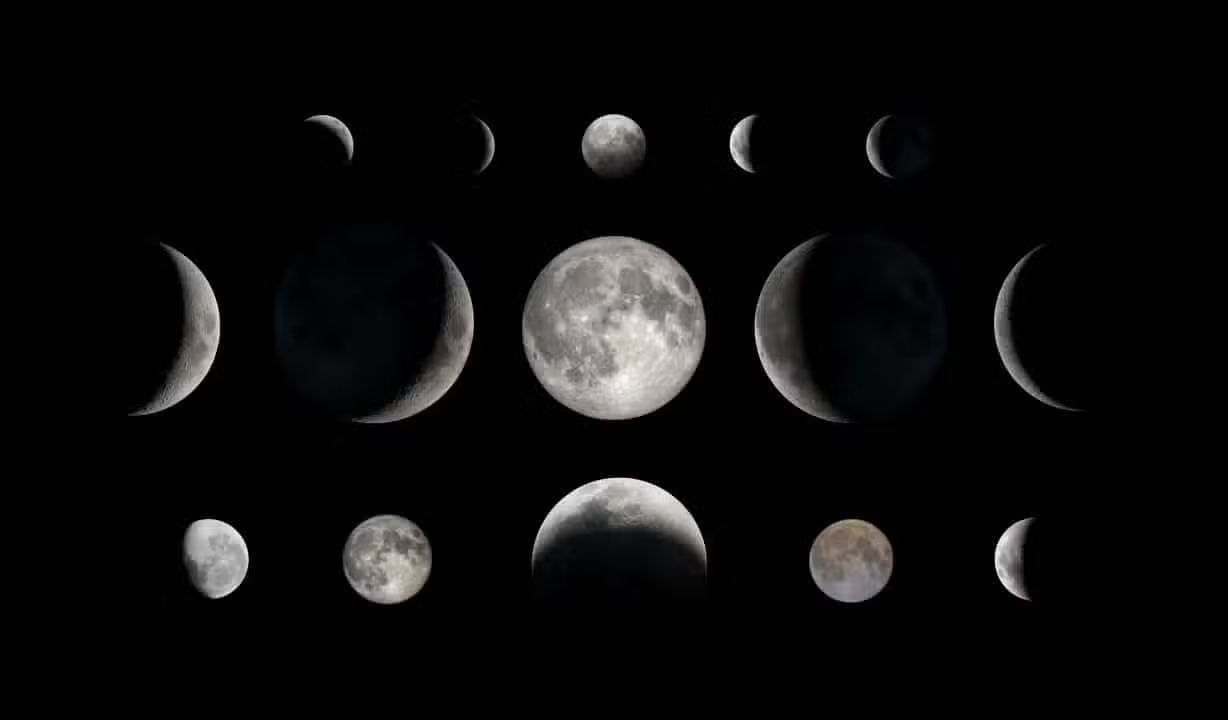
The Moon will be in its waning phase and will set before 11pm in most parts of Brazil. This factor eliminates lunar interference during the peak, something rare in recent years.
Astronomers point out that the expected zenithal hourly rate is around 15 to 20 meteors per hour in ideal conditions. Cities with very clear skies can record numbers close to this.
Taurids remain active
The Southern Taurids, originating from comet Encke, continue to produce slow, bright meteors. The radiant is close to the Pleiades, in the constellation Taurus, visible throughout the night.
- Meteors from the Taurids are slower and often have a yellowish color
- Some even produce visible fireballs even in urban areas
- Activity remains high until the end of November
- The phenomenon complements the Leonidas, offering a variety of speed and route
Origin of the Leonidas
The cluster is formed by particles left behind by comet Tempel-Tuttle, which has an orbit of 33 years. The grains enter the Earth’s atmosphere at 71 km/s, one of the fastest known rain speeds.
Typical Leonid meteors are fast and leave persistent trails. In years of great activity, such as 2001, thousands were recorded per hour in some regions.
Next Featured Years
Comet Tempel-Tuttle will pass close to the Sun again in 2031. Models indicate that 2033 could bring another intense rain from Leonids, similar to the historical events of 1833 and 1966.
Meanwhile, 2025 offers a peaceful opportunity to enjoy the phenomenon without crowds. Astronomy clubs in several cities are already organizing public vigils in the early hours of November 18th.
Practical observation tips
Prepare yourself with warm clothing, a reclining chair, or a mat. Avoid using white flashlights, which impair the eyes’ ability to adapt to darkness.
Astronomy applications help identify the radiant and monitor the count in real time. The North and Northeast regions have a slight advantage due to the later sunrise time.
The weather forecast indicates clear or partly cloudy skies in most of the country between Monday night and Tuesday morning.