Burnout on dating apps affects users’ mental health
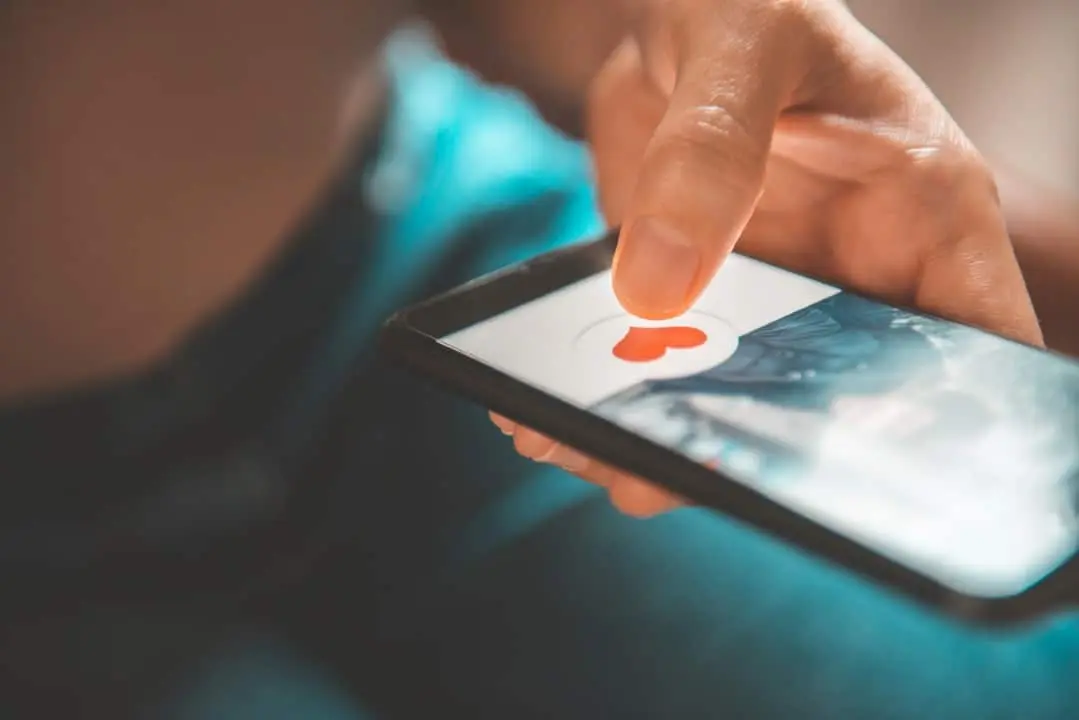
Usuários from dating apps face a predictable cycle of emotional exhaustion, cynicism, and a sense of personal failure. Pesquisas associate continued use of these platforms with higher rates of depression, anxiety and loneliness, especially among people who were already experiencing mental health difficulties before adopting the habit. The situation mainly affects those who turn the search for partners into an obsessive and never-ending task.
A meta-analysis that analyzed 17 years of studies, covering around 26,000 people, revealed that dating app users reported significantly worse psychological health than non-users. The negative effect was even more pronounced among individuals who already had financial difficulties or pre-existing mental health problems.
Burnout Padrão identified by researchers
Liesel Sharabi, director of Laboratório of Relacionamentos and Tecnologia of Universidade Estadual of Arizona, defines the phenomenon using three classic psychological categories. Emotional exhaustion manifests itself when swiping the screen leaves the user unmotivated, defeated and tired. Cynicism arises when profiles become confused and interactions lose their humanity. Inefficiency corresponds to the growing conviction that nothing the user does in the application will work.
A 2024 study followed hundreds of dating app users over the course of 3 months and found that over time, people who used these platforms suffered from general burnout. Segundo Sharabi, this occurs because users remain stuck in the application without finding what they are looking for, generating frustration beyond simple disappointment.
More on this story: Interaction with AI chatbots deepens loneliness for vulnerable users, says Stanford
Fernanda R., a 29-year-old international relations advisor, deleted dating apps 2 years ago, but started using them again a few weeks ago after friends had success meeting partners online. The experience, however, brought her into immediate contact with the pattern described by science. Envolvida in multiple simultaneous conversations and obsessively checking her phone, she faced constant pressure to be witty and interesting. “It’s simply overwhelming. Existe is an invisible pressure. Ela starts to harm your true friendships, your work,” he reported.
Gamificação and invisible work fuel the cycle
Dating apps are built around quick and easy gestures with inconsistent rewards, similar to the mechanism of a slot machine. Usuários can get stuck pulling the lever long after the fun is over. Karen Cornejo, office administrator at Los Angeles, described: “The act of swiping the screen gives a feeling of euphoria. But after that, nothing works.” Quando a couple finally wants to meet, the excitement has already disappeared.
The invisible work involved in apps also amplifies burnout. Users face a vastly expanded number of potential partners — if they lived in the Inglaterra of Shakespeare’s time, they might never have met so many people in a single day. Essa Abundance turns dating into work, requiring dedication similar to a second full-time job.
Madeleine D., who works in marketing at a technology company, experienced this transformation gradually. “I started with the intention of being respectful, because we are all human beings. But the more time I spent there, the blinder I became, like I didn’t care about these people. Eu hated that about me,” he reported.
The endless sea of faces contributes to the feeling of exhaustion because a profile only reveals so much. Users are trapped in an endless cycle of browsing, dead-end conversations, failed meetings and returning to the beginning.
Conflito of structural interests of applications
Dating apps face a fundamental structural tension. Precisam allows users to find partners — otherwise they would stop using them — but they are also businesses that make almost all of their money from subscriptions and paid features. Isso means they lose revenue if people leave the platforms.
See Also

New official image of the Galaxy Tab S12 Ultra exposes S Pen design and features

Acclaimed game, The Witcher 3: Wild Hunt will leave Xbox Game Pass on August 31st

New Honda CB1000 Hornet 2027 arrives in Brazil in September
Learn more: Geographical movements reduce depression and stress by reorganizing neural circuits
In 2024, a class action lawsuit accused Match Group — the conglomerate that owns Tinder, Hinge, and many other popular apps — of designing its apps to be addictive and profiting from compulsive use. Match Group dismissed the allegations as “ridiculous”, and the case was referred to arbitration. Usuários from dating apps often report feeling manipulated, with the perception that the platforms hold back the best matches and exploit their emotions to keep them clicking and swiping.
A spokesperson for Hinge stated that the vast majority of the company’s work focuses on improving the free experience, with less than 15% of the community using paid features. “Ultimately, our success depends on people having positive experiences on the app, finding a significant other and recommending Hinge,” he said.
Estratégias to break the burnout cycle
Sharabi recommends 4 simple measures to avoid burnout symptoms and preserve mental health:
- Não make apps your only outlet for meeting people; join interest groups, ask friends for introductions, and attend face-to-face meetings to ease the pressure
- Deslize with intention, setting specific times and weekly frequency of use, stopping the session before fatigue sets in
- Apoie hang out with friends, talking about ups and downs to stop a bad week from turning into a negative spiral, as burnout thrives in isolation
- Saiba time to give up completely; If apps are undermining your optimism and you feel like you’ll never find someone, walk away entirely
Dallas Koelling, a writer and comedian at Brooklyn who has used dating apps for years, was blunt about the experience: “Getting notified that I got a like on Hinge is like being threatened with a gun.”
Application Setor begins to reinvent itself
Há indicates that the dating app industry recognizes these concerns. The number of paid subscribers is falling dramatically, and there are signs that younger people are more interested in finding love outside the internet. Atingidos Through what executives call “swiping fatigue”, applications reinvent themselves.
On the same topic: Experts advocate including the use of artificial intelligence in therapy sessions
Bumble is ditching swiping altogether, joining Hinge and Tinder in a new AI-driven approach. The CEO of Tinder recently announced plans to invest in in-person events. A spokesperson for Hinge stated that creating a “less lonely world” is the company’s core mission, working to create supportive community spaces, both online and offline.
Madeleine is avoiding the apps for now, though he doesn’t expect that to last long. In a world where so many relationships start online, opting out of apps can feel like giving up on romance altogether. “I doubt this is more than a break. But dating can be fun, when you put aside how seriously some people take it. Eu just wishes we had a better way to deal with it,” he said.