The Leônidas meteor shower reaches its peak in the early hours of November 17th across Brazilian territory. The phenomenon produces up to 15 meteors per hour and originates from fragments of comet Tempel-Tuttle. The constellation Leo serves as the point of apparent radiation of the luminous traces.
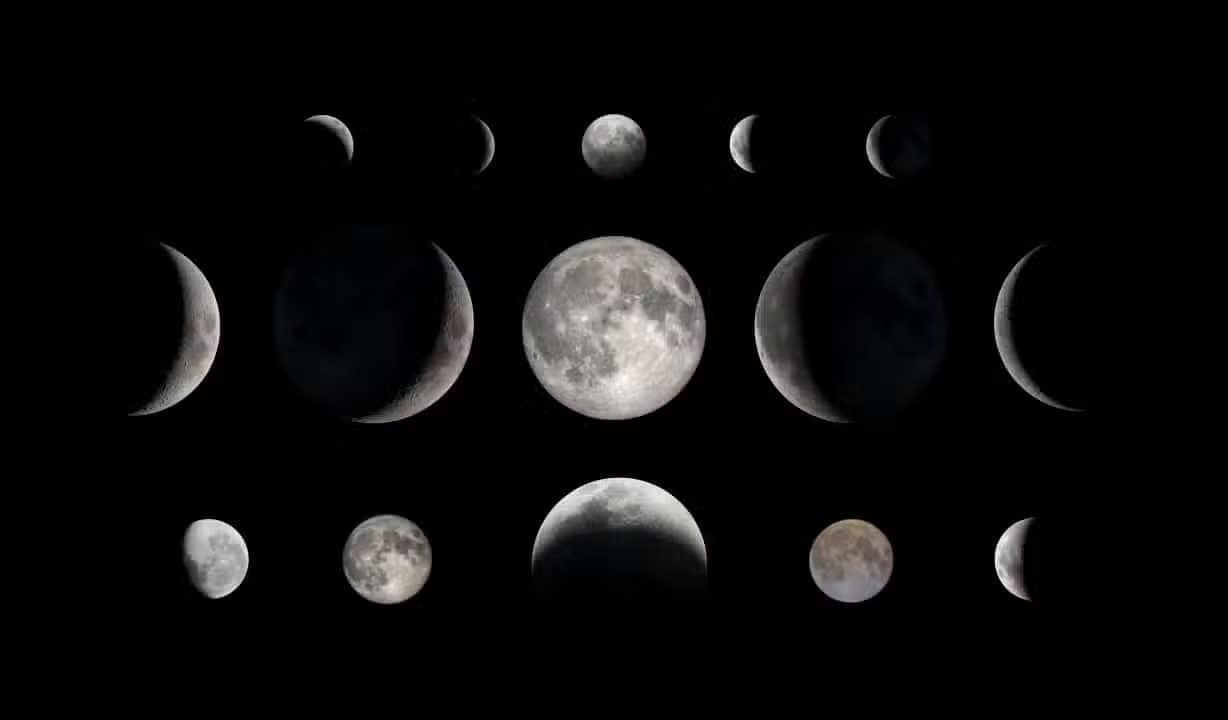
Observers have ideal conditions due to the New Moon, which keeps the sky dark. North and Northeast regions offer greater visibility because of the position of the radiant above the celestial equator.
- Start of observation: from 1 am.
- Peak of activity: around 3am.
- Hourly rate: about 15 meteors.
Origin and characteristics of the event
The Leonid meteors result from the Earth’s passage through the orbit of comet Tempel-Tuttle. This celestial body completes a rotation around the Sun every 33 years and leaves particles that burn in the atmosphere.
The entry speed reaches 71 kilometers per second, generating bright and persistent traces.
Best times and locations
Visibility begins after midnight, but increases significantly from 1am onwards. The radiant appears in the east and gains height until dawn.
Places in the north of the country record more sightings. Cities like Manaus and Fortaleza allow you to see different trajectories.
Rural areas reduce interference from street lightsrtifical. Parks and places far from urban centers serve as ideal spots.
🌠 The Leónidas meteor shower is active and can be observed between the 6th and 30th of November. This phenomenon, associated with the comet Tempel-Tuttle, gives us every year these fleeting images in the sky. href=”https://t.co/xmZ3Y6s6JX”>pic.twitter.com/xmZ3Y6s6JX
— National Geographic Institute-O.A.CNIG (@IGNSpain) November 7, 2025
Practical observation tips
Choose areas with a horizon free of obstacles. Avoid binoculars or telescopes to avoid restricting the visual field.
- Position yourself with your back to light sources.
- Allow at least 30 minutes for your eyes to adapt.
- Lightweight reclining chair for long-lasting comfort.
- Check local weather forecast.
Favorable conditions this year
The absence of lunar light increases the contrast of faint meteors. Normal rates are 15 per hour, but historic peaks exceeded 1,000 in 1833.
Observatories monitor activity in real time. Institutions like ObservatValongo orium follow the flow of particles.
Regional variations in the territory
Southern states see the radiant lowest on the horizon. In the North, the elevation allows sightings in multiple directions.
Coastal cities face less light pollution on open beaches. The interior of Minas Gerais and Goiás also records good conditions on clear nights.
The Leonid rain occurs annually between November 6th and 30th. The progenitor comet passes close to the Sun in regular cycles, renewing the ejected material.