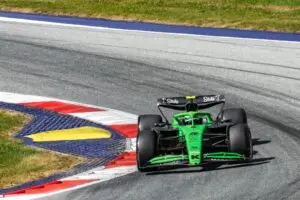
F1 will have internal combustion engines with more power by 2028 and new safety rules confirmed by the FIA
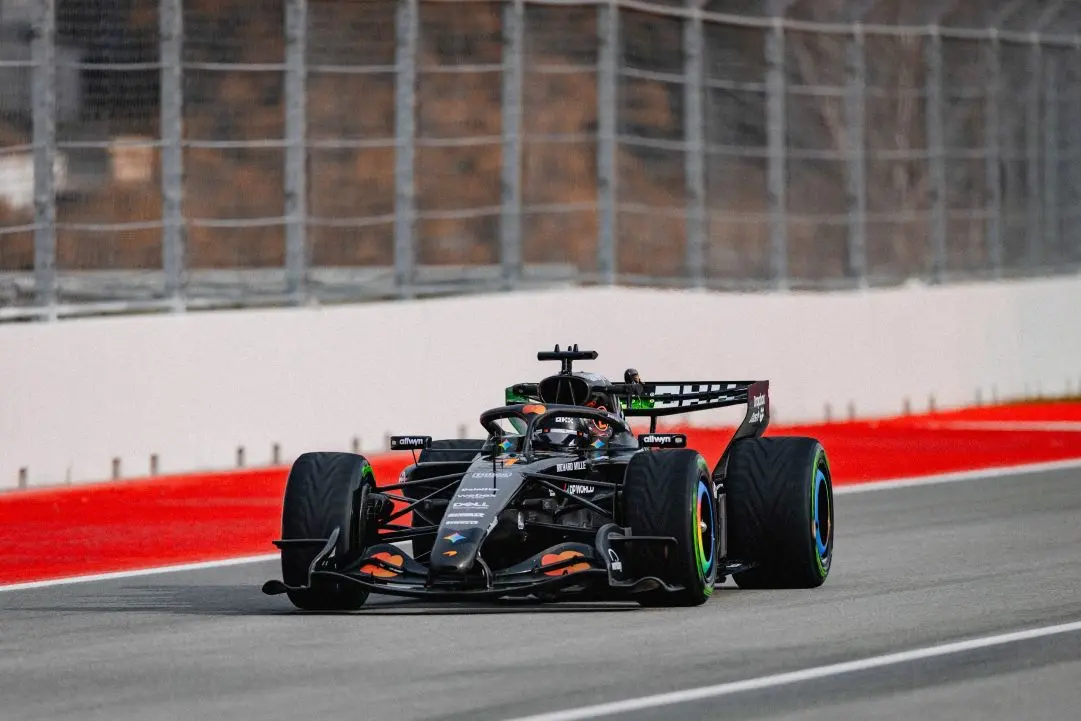
The International Automobile Federation (FIA) announced this Tuesday (23) the approval of changes in the power distribution of Formula 1 engines. The decision, taken by the World Motor Sport Council (WMSC) during a meeting in Macau, puts into effect the progressive transition project until 2028 and also expands the duration of pre-season tests.
Furthermore, new guidelines were made public, impacting the championship’s technical, financial and sporting regulations.
Since the 2014 season, Formula 1 machines have been designated as “power units”, consisting of an internal combustion engine (ICE) and an electrical element. The current regulation, introduced this year, established a power split of 53% for the ICE and 47% for the electrical part. Initially, the FIA released a 50-50% ratio to simplify understanding for fans, but the technical reality was slightly different.
In response to the dissatisfactions expressed by pilots about battery management and the need to adjust riding style to mitigate failures in energy recovery, the entity decided to progressively increase the participation of the internal combustion engine. This change aims to give drivers more freedom on the track, with the ICE reaching 58% of total power next year and reaching 60% in two seasons, until 2028.
A significant adjustment is the increase in the authorized fuel flow from 2027. Next year, the increase will be 5% and, in 2028, this percentage will rise to 13%. This implies that combustion power units will have greater fuel availability, allowing a direct increase in their strength and performance on the track.
Although the Federation had already communicated this change previously, its implementation depended on the approval of the World Motor Sport Council. In May, the organization itself indicated the implementation of the new features for 2027, but disagreements between suppliers and teams forced a review of the schedule. This scenario led to criticism from some competitors, with Max Verstappen being the most emphatic in suggesting his departure from the category if the proposals did not go ahead.
Leia Também

At 41, Cristiano Ronaldo reaffirms his historic legacy and prepares to shine in the 2026 World Cup

Portugal draws goalless with Colombia in the 2026 World Cup and Cristiano Ronaldo has a lackluster performance

VAR decides to cancel Colombia’s goal against Portugal after a thorough analysis of the tip of the boot, impacting the classification in Group K of the 2026 World Cup
In addition to the modifications directly linked to the engines, the institution that manages world motorsport also confirmed an extension of next year’s pre-season, which will now have four days, in contrast to the three days traditionally practiced.
New safety and management guidelines for sport
In addition to the ratification of the new precepts for Formula 1 engines, the FIA announced other changes, some of which are immediately valid for 2026 and directly linked to the safety of competitors.
One of the measures concerns the heat alert, which was initially used the previous year and applies to races with expected temperatures above 31ºC. In these conditions, teams need to install a cooling system in their vehicles. Previously, the Federation issued a single warning for the entire weekend; Now, this notification can be segmented between the sprint race and the main race, if the stage includes the reduced format.
The Federation also informed that boost mode, a feature that amplifies engine power when activated, will again be accessible in wet track and reduced visibility scenarios, however with certain limitations. The purpose, at this juncture, is not to increase the car’s performance, but rather to avoid a sudden drop in performance. The specific mode for overtaking, however, will be deactivated.
The initial version of the Formula 1 technical regulations for 2027 received approval during the meeting in Macau. It includes provisions relating to the supply of power units, the administration of presentation laps, travel distances on certain tracks and changes to the financial regulations.
In a statement released in conjunction with the announcement of the changes, Mohammed ben Sulayem, president of the FIA, praised the collaboration of everyone involved in the approvals. He also highlighted conversations about the future of V8 engines, ensuring that these engines will be reintroduced into the category by 2031, signaling a long-term vision for the technological diversity of Formula 1. He continued:
“The FIA continues to oversee the evolution of the 2026 Regulations, maintaining intense collaboration with all important actors in the motorsport community,” said Sulayem. “As is customary with major regulatory changes, the process does not end the moment the cars enter the track. Continuous dialogue and cooperation are crucial to ensure that the regulations meet the demands of the sport, drivers and fans. Together, we are investigating the future direction of the championship, considering how the sport can harmonize innovation, sustainability, performance and fan interest in the years to come.” The president of the Federation concluded, reinforcing: “The debates on future power unit concepts, including V8 engines powered by sustainable fuels, demonstrate the willingness of all parties to contribute to building the next chapter of the sport.”